State economic development leaders face a critical moment as the economy, technology, and public expectations shift.
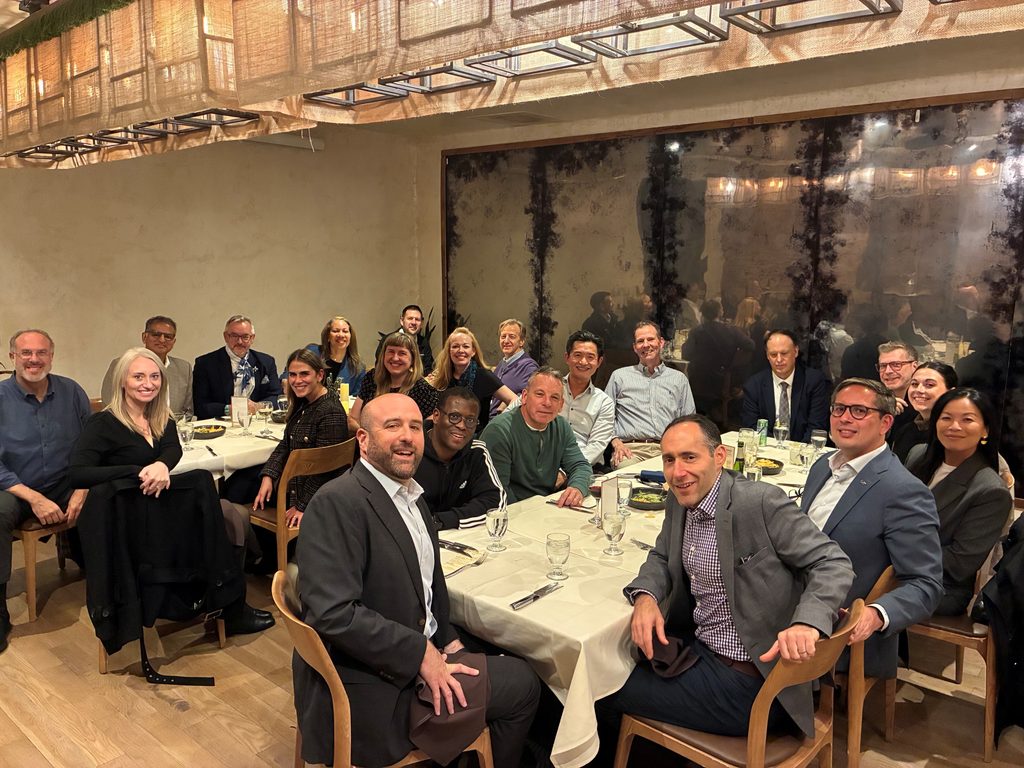
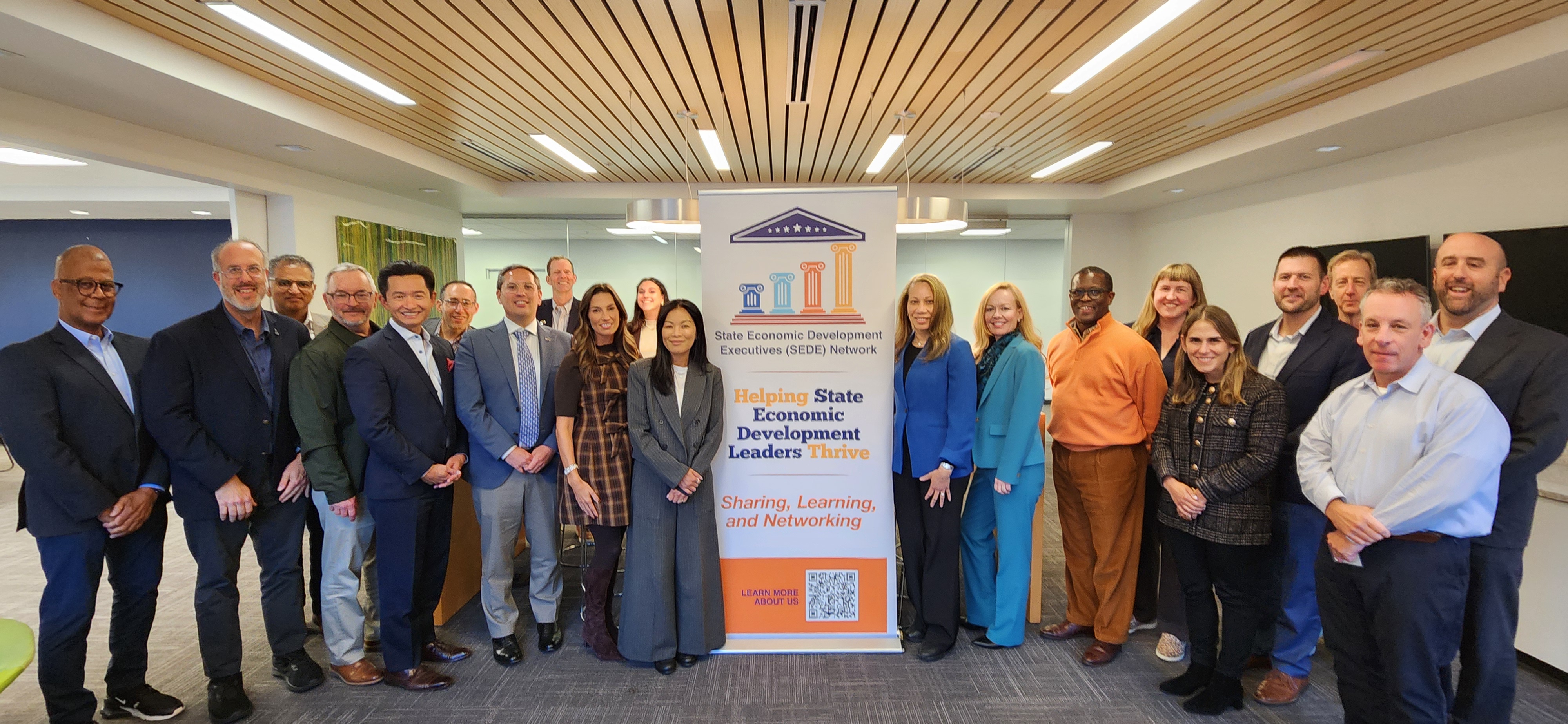
They convened to compare notes and consider what the field should look like in the years ahead on October 15-16, 2026. This meeting of the State Economic Development Executives Network (SEDE) brought together leaders from 18 state economic development organizations in Denver to discuss the trends, challenges, and strategies shaping state economic development.
Hosted by the Colorado Office of Economic Development and International Trade (OEDIT), the meeting emphasized candid peer exchange on public trust, data center policy, political transitions, and state economic development organization structure and funding.
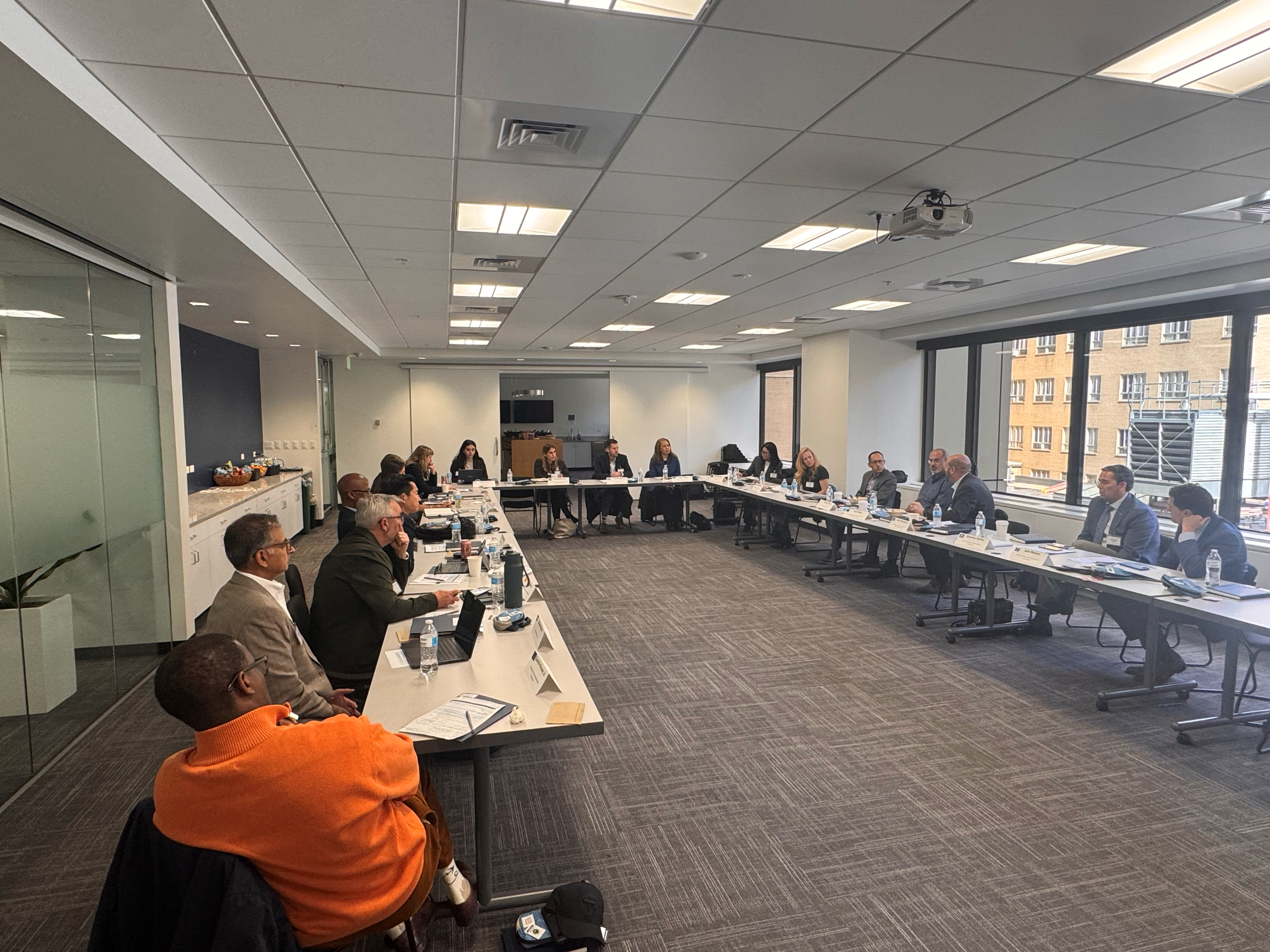
The semiannual convening state economic development leaders is a unique opportunity for state leaders to have candid and productive discussions with peers that rarely have the opportunity to occur. Participants compared their agencies’ organizational structures and how public, quasi-public, and public-private models compare in terms of flexibility, funding, and relationships with state leadership. They also discussed how affiliated foundations and nonprofits can supplement public resources and provide stability as leadership and priorities change. No single model was preferred; the idea was to discuss how each state’s structure reflects its own history, politics, and needs.
As the field evolves, so does skepticism about the work. What is economic development is a question that continues to evolve as the challenges facing our states change. Leaders also asked how they can better explain the value of public investment in economic growth and job opportunities The answers to these questions have real consequences. Incentives and programs face growing scrutiny in state legislatures. Several leaders noted that the term “economic development” has been embraced by so many people and become defined so broadly that it risks becoming meaningless.
Leaders agreed that traditional measures of success, such as jobs created, capital investment, and return on investment continue to be important, but they no longer resonate the way they once did. Stories about people and communities do. Residents and legislators want to know how economic development improves people’s lives, whether through better wages, new opportunities, or stronger communities. Storytelling campaigns, plain-language branding, and stronger external affairs functions are just some approaches that state leaders find that are working. Others include spotlighting local entrepreneurs for legislators and making the benefits of projects visible to residents, such as company-supported training centers. Leaders also cautioned that not every community wants to grow. For those places, framing growth around economic opportunity and mobility can help bridge that divide
Data centers and artificial intelligence (AI) were closely tied to this conversation and generated extensive discussion. Leaders described how quickly data centers have shifted from a sought-after investment to a political flashpoint, driven by concerns about utility rates, water use, noise, broader sentiment against large companies, and backlash against AI itself. In many communities, data centers have become the most visible symbol of public concern about AI.
For economic developers, that shift raises a hard question:
What role should state agencies play when an industry becomes a source of community opposition?
Responses shared by states included:
- Create community investment frameworks to guide local governments negotiating with developers;
- Provide guidance on the use of non-disclosure agreements that can undermine community engagement;
- Adjust new utility rate classes; and
- Build stronger zoning and regulatory frameworks.
Participants also considered the future of data center technology, including whether rapid change could leave today’s facilities outdated. They discussed the capacity of state agencies to vet project claims and job projections in such a fast-moving field. They also weighed whether states can collaborate on responsible AI regulation or a national framework, with interest in sharing approaches across states rather than each state working alone.
Leaders also discussed other pressures facing the field. Most states reported a weaker supply of industrial sites five to ten years ago. Housing, childcare, water, energy, and constrained budgets were raised across states, as was the challenge of scaling support for small businesses. Federal policy shifts and the impacts on workforce training and higher education were also mentioned, and how state partnerships can be strengthened.
At the end of the program, Maybell Quantum Industries, a quantum infrastructure company in Denver, hosted participants on site tour. With the evolution of quantum computing and its implications for national security and technological advancement, the tour offered a closer look at the industry and at how states like Colorado and New Mexico are positioning themselves as global leaders. It was a fitting close to a meeting focused on how states can prepare for industries that are growing and evolving.
Across every session, a common thread emerged: economic development works best when the public trusts it. Whether the topic was data centers, incentives, site readiness, or small business support, leaders kept returning to transparency, clear communication, and showing how investments benefit people and communities. In a moment of rapid change, the field’s greatest asset may be the willingness of state leaders to learn from one another. SEDE will continue fostering that exchange when the network convenes again in spring 2027 alongside SelectUSA.