Author: Allison Ulaky

  • State Economic Development Bulletin – Issue 78, February 2025

    Issue 78, February 2025

    A Summary of Cutting-Edge Articles Affecting States

    HEADLINES

    SEDE News 🗞️

    Economy 💰

    Trade 📈

    Industry Trends 💡

    Workforce ⚒️

    Business Expansions and Incentives 📊

    SEDE News 🗞️

    Report Card for CHIPS Act Incentives (Smart Incentives) The federal CHIPS Program Office released an update on its progress toward achieving its Vision for Success and it reports that the “investments are delivering results.”  These investments are strengthening national and economic security by restoring mass production of critical semiconductor technologies to U.S. soil. The United States is projected to produce at least 20 percent of the world’s leading-edge logic chips by 2030 (up from zero percent in 2022). Every award the CHIPS program negotiates is designed to fill strategic gaps in the domestic semiconductor ecosystem while spending the minimum amount necessary to deliver the maximum benefit to U.S. economic and national security.

    Impacts of Federal Grants and Other Funds on State and Local Budgets (Congressional Research Service) This report examines the significant role of federal funding in state and local government finances. From FY2021 to FY2023, these governments received over $1 trillion annually in federal grants, supporting services like education, healthcare, law enforcement, and public transit. In FY2022, federal funds constituted 36.1% of state government revenue and 6.2% of local government revenue. The report highlights that Medicaid grants were the largest component, totaling $615.8 billion in FY2023. It also notes that federal funds’ share of state and local revenue has reached its highest point since the early 1970s, partly due to COVID-19 relief measures such as the CARES Act and the American Rescue Plan Act. However, the reliance on federal funds varies by state; for instance, in FY2022, Louisiana and Alaska had the highest shares at over 50% of their total revenue, while North Dakota and Hawaii had the lowest, with less than 30%.

    Updates on Federal Data Outages (CREC) If you’ve been following the news, you may be aware of reports that some federal data has become (at least temporarily) inaccessible. CREC has been tracking developments and would like to share an understanding of how data access has been impacted (if at all) and ongoing efforts/resources to provide alternative access, if needed. Keep in mind that, as with much in Washington D.C. nowadays, any developments are fluid and official information is sparse. Datasets from the Centers for Disease Control and Prevention and the U.S. Census Bureau have been one of the highest profile points of impact. There are many great efforts underway to archive and preserve federal datase4ts, such as IPUMS and ICPSR.

    Economy 💰

    Job Growth Slowed in January, But Overall Picture Remains Solid (The New York Times) Employers added 143,000 jobs in January, slightly fewer than expected, the Labor Department reported. But with large upward revisions to the prior two months and a decline in the unemployment rate to 4 percent, American workers still appear to be in good shape. The rate of job openings has sunk below pre-pandemic levels, as has the share of people quitting. For those still employed, pay increases remain respectable. Average hourly earnings rose 4.1 percent over the year — more than economists had forecast, and well above the rate of inflation. Impressive productivity growth over the past year means that such wage increases can be sustained without pushing up prices.

    Examining the Local Economic Impacts of the Community Development Block Grant (RAND) This article provides preliminary evidence on the job impacts of the Community Development Block Grant (CDBG) program. Utilizing a difference-in-differences methodology, the author examines a one-time adjustment in the CDBG allocation formula that led to permanent changes in funding levels for various localities. The study finds that areas receiving increased CDBG funding experienced a significant 7.2% rise in job counts over eight years, with an estimated cost of $21,667 per job created. Conversely, localities with reduced funding saw no significant change in employment levels. These findings underscore the CDBG’s effectiveness in fostering local economic growth and highlight the program’s flexibility in addressing diverse community development needs.

    JobsOhio Provides a Multibillion-Dollar Return on Ohio’s Investment (The Columbus Dispatch) JobsOhio is the state’s private, nonprofit corporation designed to drive economic growth and job creation. Its organizational model represents a unique approach to economic development, designed to be more agile and responsive in attracting businesses than traditional government-funding efforts. JobsOhio is funded solely from the profits on sales of spirituous liquor in Ohio. According to a third-party study, JobsOhio has returned $15 billion to the state in tax revenue due to the new jobs that have been created. Additionally, JobsOhio has remitted more than $686 million to the state as part of a revenue-sharing agreement. Extending this profitable agreement means these annual payments will continue, along with the benefits from JobsOhio’s programs to attract vital industries and supply chains, expand small businesses, augment Ohio’s skilled workforce and stimulate new development and economic growth in communities across the state.

    Trade 📈

    Which Imports from Canada and Mexico Would Be Hit Hardest by Tariffs? (PIIE) The possibility of steep tariffs on Mexican, Canadian, and Chinese imports would hit a broad array of goods. The value of U.S. imports from its US-Mexico-Canada Agreement (USCMA) partners represented almost 30% of total import flows into the United States in 2023. The U.S. relies on Mexico for large volumes of transportation equipment, fruits and vegetables, electronics, and machinery, while the U.S. relied on Canada for wood products, metals, fuels, and food products. Among all the sectors hit by new import taxes on the US’s North American trading partners, the US auto sector stands out as the most likely to be disrupted because of highly integrated vehicle production chains that span the continent.

    Why U.S. Trade Policy Needs to Prioritize Advanced Industries for Global Competitiveness (ITIF) The Information Technology and Innovation Foundation (ITIF) argues that U.S. trade policy should prioritize advanced industries, such as semiconductors, aerospace, and pharmaceuticals, to strengthen long-term global competitiveness. While recent policies have focused on reducing trade deficits through increased exports of commodities like soybeans and crude oil, ITIF suggests that a greater emphasis on high-tech industries would better support innovation, economic growth, and national security. In 2023, U.S. exports of non-advanced products to China reached $80 billion, surpassing the $68 billion in advanced industry exports. ITIF recommends that trade agreements, tariffs, and industrial policies be aligned to enhance the competitiveness of high-value sectors, ensuring the U.S. maintains its leadership in critical technologies.

    Industry Trends 💡

    Charging Ahead: What Does Electrification Mean for the Footprint of the Auto Industry? (Chicago Fed) Given the uncertainties over the support for the transition from engine-powered to battery-powered vehicles, carmakers have taken steps to make production of their ICE (internal combustion engine) vehicles more efficient. Such efforts are designed to help carmakers remain profitable during a period of incurring high costs in developing electric vehicles. One strategy available to carmakers is to cut back on the variety of engine models available across their vehicle model offerings. In simplifying engine options available to consumers, carmakers can reduce the number of engine programs needed to be maintained and developed, thereby optimizing scarce resources.

    Hawaii to Become the First Fully Fiber-Enabled State by 2026 (Hawaiian Telecom) In an ambitious push toward a connected future, Hawaiian Telcom, in collaboration with federal, state, and county leaders, has unveiled a $1.7 billion initiative to position Hawai‘i as the first fully fiber-enabled state in the U.S. by 2026. This monumental investment not only places Hawai‘i at the forefront of broadband innovation but also ensures access to state-of-the-art fiber connectivity for homes and businesses statewide, including underserved rural communities. This transformative effort has already reached 60% of Hawai‘i’s households and businesses, with the remaining 40% on track to be completed by the end of next year. Hawaiian Telcom’s efforts have been supported by a strong public-private partnership. $107 million in federal and state funding through various broadband infrastructure programs is helping to accelerate the deployment. This underscores the importance of collaboration.

    Connecticut Launches $25M Grant Program to Strengthen Supply Chains (State of Connecticut) Connecticut announced the launch of a $25 million state grant program to help supply chain companies in Connecticut’s core industries expand and increase production capacity and encourage the establishment of new operations in the state. The Strategic Supply Chain Initiative will also be sued to attract supply chain operations from other states and internationally. Supply chain companies can apply for grants ranging from $500,000 to $5,000,000 for projects that will increase their production capacity. Priority consideration will be given to supply chain companies in Connecticut’s core industries including, but not limited to, manufacturing, semiconductors, insurtech and fintech, biomedical instruments and life sciences, clean energy, and information technology, including artificial intelligence and quantum computing.

    Workforce ⚒️

    Federal Agencies Collaborate to Support an Evolving Rural Coworking Space (NADO) The U.S. Economic Development Administration (EDA) is collaborating with other federal agencies, like the U.S. Department of Agriculture Rural Development (USDA RD) and Northern Border Regional Commission (NBRC), to create economic development outcomes in the rural Northeast Kingdom of Vermont. This cooperation creates benefits such as job creation, skill building, capital investment, and regional economic diversification – all in the pursuit of healthy economic ecosystems that generate sustainable economic growth, resilience, and prosperity. The outcomes of the first year of the development of the Do North Coworking space include 114 coworkers and 228% more individual memberships, drop-ins, and space booking for the year. Do North also offers programming designed to create an entrepreneurial ecosystem in the region, creating opportunities for entrepreneurs to find the support they need.

    Michigan: Mobility and Semiconductors (Business Facilities) A first-of-its-kind public-private investment partnership totaling more than a combined $4.7 million will offer new electric vehicle and semiconductor education and career opportunities to students across southwest Michigan, Greater Grand Rapids, and beyond. Michigan Economic Development Corporation (MEDC) has invested nearly $30 million with higher education institutions that are working with advanced manufacturing employers to design and deliver a curriculum that prepares students for in-demand mobility-related careers. With this, the BlueOval Battery Park Michigan (BOBP) project will use both a local and regional approach to fill its 1,700 anticipated new jobs. The future roles will include production, electrical, mechanical, engineering, logistics, and material handling.

    Advancing Bills Promote AI Apprenticeships in NJ, Explore Tech’s Impact on Labor (NJBiz) New Jersey’s Assembly Science, Innovation and Technology Committee approved a pair of measures aimed at supporting the state’s artificial intelligence (AI) efforts. The legislation includes bills that would establish an AI Apprenticeship Program in the state labor department and another that would establish the AI and Labor Market Study Commission. The program would collaborate with AI companies to offer apprenticeship opportunities, facilitate partnerships between employers and schools, and assist employers in the establishing apprenticeships – as well as create an AI apprenticeship tax credit program. The AI-driven market is rapidly expanding, and the state hopes to leverage this technology effectively.

    Powering Virginia’s Tech Workforce (Smart Incentives) When Amazon announced Northern Virginia as the site of its second headquarters in 2018, the commonwealth responded with a bold investment: $2 billion to supercharge its tech workforce. The Tech Talent Investment Program (TTIP) was born, setting an ambitious goal of doubling the number of computer science and engineering graduates across Virginia’s universities, assuring an educated workforce for the region’s technology companies. At the heart of this initiative is George Mason University. After six years, George Mason is not only meeting its TTIP promises, it is surpassing them by a considerable margin. With a combination of new cutting-edge facilities, increased enrollment, and a strong push for student diversity, the university is proving that Virginia’s bet on tech talent is paying off. Over the past five years, the university has exceeded expectations, graduating 424 more undergraduates and 650 more master’s students than its baseline projections. The TTIP program will continue through 2039.

    How Microcredentials are Revolutionizing the Higher-Education Business Model (Manhattan Institute) This report highlights the growing influence of microcredentials – shorter-term, focused educational certifications – on traditional four-year colleges and universities. These credentials are being integrated into degree pathways, offering benefits such as improved return on investment for baccalaureate degrees, better alignment with market demands, increased transparency, and enhanced responsiveness to labor-market changes. However, the report advises that institutions should approach this integration carefully, ensuring that strategies remain student-centered and align with the core mission of higher education, balancing academic rigor with workplace relevance.

    Jacksonville Launches Second Round of Talent-Attraction Campaign with $9,000 Incentives (Jacksonville Journal-Courier) Jacksonville Regional Economic Development Corporation in Illinois has begun the second round of its talent-attraction campaign. The Make My Move campaign uses a digital advertising campaign on various social media sites, videos educating viable candidates about everything the region has to offer, and relocation incentives to attract people. The first round of the effort saw five professionals — including two scientists, two engineers and a marketing professional — chosen from several hundred applicants to move to Jacksonville. The program offers a relocation incentive package valued at $9,000 including $5,000 cash, three free months of fiber broadband service, and $300 in Chamber Checks redeemable at more than 80 Jacksonville Area Chamber of Commerce member businesses, among other items. The second round will emphasize candidates to fill open positions in the fields of healthcare, manufacturing, accounting, engineering, education and legal.

    Business Expansions and Incentives 📊

    Collection of Economic Incentives Aims to Help Arkansas (TB&P) A plethora of bills aimed at improving Arkansas’ economic development incentives is in the process of being filed and debated at the state Capitol. As many as nine bills may be filed to address industrial authorities, data centers, innovative startups, the burgeoning lithium industry, job retention, and childcare. If all measures are enacted, it will be one of the most sweeping changes to the state’s economic development incentives in years. Legislation being considered will also include speculative development incentives — a sales tax exemption for a spec building, for example — and a matching grant program to help rural communities

    New, World-Class Electrical Steel Facility in Alabama (ArcelorMittal) ArcelorMittal announced that it is proceeding with plans to build an advanced, non-grain-oriented electrical steel (NOES) manufacturing facility in Alabama. The new facility will be capable of producing up to 150,000 metric tons of NOES annually, depending on the product mix, in support of automotive and mobility, renewable electricity production, and other industrial and commercial uses of NOES, including electric motors, generators and specialized applications. The project promotes U.S. manufacturing competitiveness and addresses a crucial market need by reducing U.S. dependency on electrical steel imports through the expansion of domestic NOES production. Construction is set to begin in the second half of 2025, with production anticipated to commence in 2027. The project is expected to create up to 1,300 jobs during the construction phase and more than 200 permanent positions to support the plant’s ongoing operations.

    Downtown Leaders Say Business Incentives are Changing Memphis (Action News 5 Memphis) The Downtown Memphis Commission in Tennessee is working to bring life to downtown Memphis with incentives, as events that once brough money and people downtown such as the Beale Street Music Festival and the Southern Heritage Classic are paused. In 2024, the DMC helped 20 businesses with over $600,000 worth of incentives to create spaces downtown. The DMC hopes to continue these incentives in 2025 to continue to bring visitors downtown.

    $1B EV Auto Plant Expansion in Arizona (Connect CRE) Lucid Group is set to spend $1 billion on Phase II of its Advanced Manufacturing Plant in Casa Grande, Arizona. Lucid will be making its Gravity SUV at the plant and with the extra space hopes to increase its production to 90,000 vehicles a year. It marks one of the most significant and largest investments in vehicle manufacturing in the state. The company has previously said that at full build-out, its campus could total 15 million square feet across 2,000 acres — or the size of an original equipment manufacturer hub that could also house suppliers and 6,000 employees.


    The State Economic Development Executives (SEDE) Network engages in regular events throughout the year. State Economic Development.org lists these activities and offers an interactive forum for discussion among peers. The SEDE Steering Committee includes: Sandra Watson (AZ), Chair; Joan Goldstein (VT), Vice-Chair; Kurt Foreman (DE); Kevin McKinnon (MN); Hope Knight (NY); Christopher Chung (NC); Andrew Deye (OH); Sophorn Cheang (OR); Adriana Cruz (TX);  and Mike Graney (WV).

    Allison Ulaky of the Center for Regional Economic Competitiveness (CREC) led the development of this Bulletin; for questions on the content in this Bulletin or for information on the SEDE Network contact Bob Isaacson, CREC Senior Vice President.

  • State Economic Development Bulletin – Issue 77, January 2025

    Issue 77, January 2025

    A Summary of Cutting-Edge Articles Affecting States

    HEADLINES

    SEDE News 🗞️

    Economy 💰

    Trade 📈

    Industry Trends 💡

    Workforce ⚒️

    Business Expansions and Incentives 📊

    SEDE News 🗞️

    SEDE Network Meeting Executive Summary (SEDE) The State Economic Development Executives (SEDE) Network held its Winter meeting for top state economic development executives in Phoenix on December 9th. The agenda included discussions of current issues facing states like federal and state administration transitions and AI applications in economic development. Much of the meeting was dedicated to opportunities for networking among the state economic development commissioners, secretaries and executive directors or their top deputy. An executive summary of the meeting can be found here.

    DOE Issues NOI for Funding in Strengthening Critical Minerals Processing and Manufacturing (DOE) The U.S. Department of Energy released a notice of intent for up to $725 million to boost domestic production of battery critical minerals, battery components and advanced batteries. Building the battery supply chain and domestic capacity enables large scale deployment and strengthens the U.S. grid energy, bolsters key defense and technology sectors, and supports the growth domestic market for clean vehicles. DOE’s Office of Manufacturing & Energy Supply Chains (MESC) anticipates awarding up to 14 grants with periods of performance from two to five years under the opportunity.

    DOE Announces Nearly $13M to Incentivize Smart Manufacturing at Small-and-Medium Facilities (DOE) The U.S. Department of Energy announced nearly $13 million in funding available from the Bipartisan Infrastructure Law for states, as well as state-funded universities and technical and community colleges, to ensure that smart manufacturing technologies and high-performance computing resources are accessible to domestic manufacturing firms. Administered by DOE’s Office of Manufacturing and Energy Supply Chains (MESC), the State Manufacturing Leadership Program (SMLP) aims to remove existing barriers that prevent small- and medium-sized manufacturers (SMMs) from using innovative, data-driven tools and technologies. These critical tools will allow SMMs to increase production efficiency and play a key role in strengthening the domestic manufacturing base. The nearly $13 million in funding is the third round of funding to be released through the $50 million State Manufacturing Leadership Program. Full applications are due on April 21, 2025. Read the full funding opportunity here.

    EDA Announces Several Major Grants for Tech Hubs and Good Jobs Challenge Programs (EDA) The U.S. Department of Commerce’s Economic Development Administration (EDA) announced that it has selected six consortia for funding through the Tech Hubs Program and eight awardees for the Good Jobs Challenge. Six designated Tech Hubs were selected to receive a total of $210 million in implementation grants, ranging between approximately $22 million and $48 million. The six latest selected recipients are among the 31 Tech Hubs designated in October 2023. EDA also selected eight recipients for a total of $25 million in Good Jobs Challenge funding to support high-quality, locally led workforce training programs that lead to workers placed in good jobs. These new projects will expand the reach of the Good Jobs Challenge program to 35 states and one territory.

    SEDE Member Spotlight: Sandra Watson, President & CEO, Arizona Commerce Authority, SEDE Chair

    Sandra Watson is an economic development professional with over 30 years of leadership experience in business attraction and expansion, innovation, entrepreneurship, economic policy and workforce development. Currently, Ms. Watson serves as the President & CEO of the Arizona Commerce Authority (ACA), a public-private partnership that leads statewide economic development. She previously oversaw the Workforce Arizona Council and Arizona Office of Economic Opportunity, a data-driven team focused on economic and labor market analysis. In addition to leading the ACA and serving on its Board of Directors, Ms. Watson serves on Arizona Governor Katie Hobbs’ leadership team as her Senior Economic Policy Advisor.
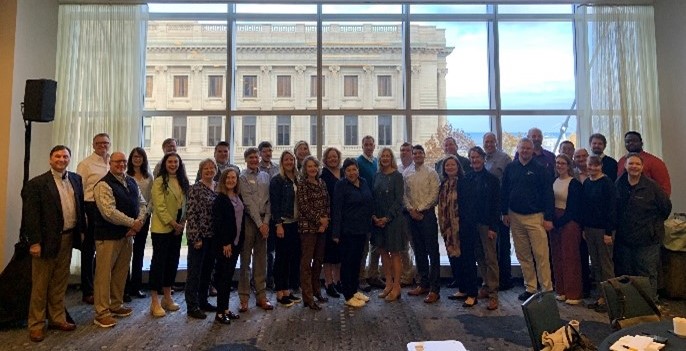
    Ms. Watson is a member of the U.S. Investment Advisory Council, advising the U.S. Secretary of Commerce on policies to attract foreign direct investment. In addition, she is an inaugural member of Natcast’s National Semiconductor Technology Center (NSTC) Workforce Advisory Board. She also serves as a founding member and the Chair of the State Economic Development Executives Network Board of Directors, a founding partner on the Institute for Automated Mobility Board of Directors and serves on the boards of the National State Science and Technology Institute and the Make-A-Wish Arizona Foundation.

    Economy 💰

    Apartment Construction Cools Rents in Some Regions (Stateline) An historic rate of apartment building is starting to make a difference in Sun Belt rents, but most tenants are still paying way more than they did earlier in the decade and rents are still rising in many Northeast and Midwest states. For instance, Austin, Texas, experienced a 16.3% year-over-year rent decline, while Arizona, Georgia, and Utah saw rents drop by 6%. This trend is attributed to a surge in new apartment completions, which rose by 58% in the third quarter compared to the previous year, marking the highest level since 1974. Consequently, the national vacancy rate for multifamily apartments reached 8% in late 2024, with high-end units experiencing a 11.4% vacancy rate. Despite these declines, rents remain higher than in 2020, and some areas, such as Providence, R.I., and Virginia Beach, Va., have seen rent increases.

    Working Alongside Rural Communities to Expand Housing Opportunity (Fed. Reserve Bank of Chicago) The number of cost-burdened renters – those spending over 30% of their income on housing – has reached an all-time high. Since February 2024 the Community Development team at the Chicago Fed has been working alongside two rural areas – Linn County, Iowa and southwest Wisconsin – to address issues as part of Reinventing Our Communities (ROC) – a nationwide Federal Reserve initiative organized by the Philadelphia Fed. As part of this work, Chicago Fed staff meet regularly with Linn County and SW Wisconsin community members to help them create affordable rental housing strategies that are informed by resources and research from the Federal Reserve. The ROC program is supporting efforts to leverage existing regional partnerships to build a resilient housing system capable of withstanding future crises. The ROC program concludes in spring 2025, with a final symposium to share reflections and exchange housing solution strategies.

    Where Does a ‘Remarkable’ US Economy Go From Here? (The N.Y. Times) The U.S. economy is pulling ahead of its global peers, seeing notable growth with low unemployment and strong stock market performance, alongside a steady recovery in key sectors. However, persistent high inflation, which peaked at 9.1% in 2022, has eroded public confidence, leaving many feeling worse off despite positive economic indicators. The Federal Reserve continues to emphasize its independence, focusing on managing interest rates to sustain growth while addressing inflationary pressures and the challenges of elevated national debt.

    Trade 📈

    US Trade Deficits Widens as Goods Imports Surge (Reuters) The U.S. trade deficit widened in November. The trade gap increased 6.2% to $78.2 billion from a revised $73.6 billion in October, the Commerce Department’s Bureau of Economic Analysis said. Imports rose 3.4% to $351.6 billion with goods imports surging 4.3% to $280.9 billion. The imports were driven by a $3.7 billion increase in industrial supplies and materials, with crude oil imports rising $1.0 billion. Capital goods imports increased $3.5 billion, reflecting semiconductors and civilian aircraft. Economists, however, expect imports to remain elevated in December which is notable as trade has subtracted from GDP for three straight quarters. The Atlanta Federal Reserve is currently forecasting GDP rising at a 2.4% annualized rate in the fourth quarter. The economy grew at a 3.1% pace in the July-September quarter.

    US Tariffs Set to Accelerate Landmark Shifts in Global Trade Flows (PR Newswire) Geopolitical rivalries, alliances, and aspirations are rewiring the global economy—and will continue to do so in the years ahead, accelerated by the proposed imposition of tariffs by the US on foreign imports. Without a broad increase in tariffs, world trade in goods will keep growing at an average of 2.9% annually for the next eight years, but the routes goods travel will change markedly as North America reduces its dependence on China and China builds up its links with the Global South, which is cementing its power in the global trade map. A report by Boston Consulting Group, Great Powers, Geopolitics, and the Future of Trade looks in detail at the regions and the sectors that would be most affected by the imposition of tariffs by the US. Some key findings include North America solidifying into a resilient trade bloc and China pivoting toward the Global South.

    Industry Trends 💡

    How LA Fires Impact Farmers and Agriculture Industry (ABC News) While raging flames, persistent smoke and damaging winds plagued residents in Los Angeles County, farmers across Southern California are also facing the possibility of devasting damage to their crops. Alba Velasquez, the executive director of the Los Angeles Food Policy Council, told ABC News that farmers face two hurdles, namely economic and air quality challenges. Currently, there are about 24 farms that are affected by the Eaton Fire, with numbers increasing every day. The California Department of Food and Agriculture recommends farmers who have experienced crop loss to look into their Noninsured Disaster Assistance Program, which “pays covered producers of covered non insurable crops when low yields, loss of inventory, or prevented planting occur due to natural disasters,” according to the website. The Los Angeles Food Policy Council and the Community Alliance with Family Farmers also provide post-wildlife recovery resources.

    How Manufacturing in Southwestern PA is Building a Clean, Green Future (WESA) On the banks of the Ohio River, just west of Pittsburgh, workers make steel tubes for giant utility-scale solar panels at a former Bethlehem Steel plant in Leetsdale. During World War II, the steel produced here would go on to be used in the production of tank landing ships. The facility today is home to JM Steel, and — unlike the sooty shop floor of its predecessor — this plant is clean. These workers making low-carbon steel tubes are an example of just how much manufacturing in southwestern Pennsylvania has evolved over the past several decades. The region’s manufacturing sector is now largely made up of small and medium-sized companies and if the trends currently driving the region’s revamped manufacturing sector continue apace, southwestern Pennsylvania’s industrial future is likely to lean toward more energy-efficient processes and products. However, much of that will depend on the state and federal government’s appetite for continued investment in the country’s transition to cleaner energy.

    Advanced Domestic Manufacturing Depends on Rebuilding the Blue-Collar Workforce (Fast Company) Recent federal legislation is fueling the U.S. manufacturing industry, but this growth brings with it a pressing need for a skilled workforce to sustain the momentum. Almost 60% of manufacturers cite the “inability to attract and retain employees” as a top challenge affecting their business. It is estimated that manufacturers could need as many as 3.8 million new workers by 2033. So, what can be done to bring back the manufacturing workforce? First, we need to change the way potential employees see the industry. Then, we need to provide a path to acquire the necessary skills and determine the best ways to keep these valuable workers. Modern manufacturing needs to be viewed as a STEM-powered career choice, bringing transferable skills and career opportunities. Clean energy technology, robotics, advanced analytics, cybersecurity, and AI are just a few of the elements driving change that will define the industry for decades to come.

    Additive Manufacturing’s Opportunity: The Agile Solution to the US Manufacturing Crunch (3DPrint) The US manufacturing sector is bracing for what could be a perfect storm of supply shortages and surging demand. This ‘storm’, driven by reshoring efforts, potential tariffs, and ongoing manufacturing labor challenges, might just set the stage for additive manufacturing (AM) service bureaus (SBs) and contract manufacturers (CMs) to step into the spotlight. Unlike traditional manufacturing, which requires significant lead time for tooling, setup, and ramp-up, AM offers unparalleled flexibility. And because AM is inherently less labor-intensive, it can overcome some of the pain points associated with the current labor crunch. In a world where demand spikes can happen overnight, and policy shifts can rewrite the rules of the game, agility is priceless. AM might not be the answer to every challenge in US manufacturing, but for now, it looks like the right tool for a very specific—and urgent—job.

    Workforce ⚒️

    Louisiana Announces $15M for Future Health Care Workforce Programs (NOLA) The Louisiana Department of Health announced $15 million in funding for universities, technical colleges and health care systems (including hospitals, agencies and hospitals) for programs that train future health care professionals. To help narrow the shortage in healthcare workers, the Healthcare Employment Reinvestment Opportunity Fund, or HERO Fund, awards matching grants to programs that work to grow Louisiana’s health care pipeline. The state Board of Regents predicted a shortage of 6,000 registered nurses in Louisiana by 2030. The proposals must include a program with education institutions and training programs as well as a partner with health care providers, facilities or a related licensed health care organization in Louisiana.

    As Apprenticeships Expand in Early Childhood, States Are Training the Field’s Future Leaders (EdSurge) In the last handful of years, registered apprenticeship programs have been booming in early care and education, with most states now offering a version of this longstanding workforce development pathway. Those programs primarily cater to individuals who lack expertise and experience in working with young children and want to upskill quickly, qualifying them for more senior and better-paying classroom teaching roles. Within that growing trend, though, is another, smaller movement catching on: Kentucky, Massachusetts and New Hampshire are among states offering apprenticeships tailor-made for emerging leaders in early care and education. These director-level apprenticeship programs reflect a recognition that many aspiring early childhood leaders — and, frankly, a number of existing ones — do not feel prepared to manage the myriad responsibilities of the job and need additional skills and training to close the gap.

    Over $26M in State Grants Awarded to Boost Workforce Training Programs (KUAR) Fourteen higher education institutions in Arkansas have been awarded state funds to boost workforce training programs. Gov. Sarah Huckabee Sanders announced over $26 million in Higher Industry Readiness through Educational Development (HIRED) grants on Thursday. The grants use funding established through a state law known as the Workforce Initiative Act of 2015. Southern Arkansas University and Arkansas Tech University – Ozark received the highest awards at $2.75 million each, followed by Arkansas State University Beebe with $2.3 million. Other awardees include UA Little Rock, UA Monticello, and Ozarka College.

    Oregon to Invest in Training the Energy Workforce of the Future (OPB) Oregon is looking to boost the renewable-energy workforce and train people in energy-efficient installations, in an effort to lower the state’s overall greenhouse gas emissions. The Oregon Department of Energy recently announced a $2 million Energy Workforce Training program aimed at providing technical education on energy-efficient installations for new and existing workers and contractors. The funding will go to community colleges, career and technical education programs at high schools, as well as trade organizations that provide apprenticeship and pre-apprenticeship programs and community-based organizations. The grants are part of the Climate Resilience Package passed by the Oregon Legislature in 2023. The package is a compilation of several bills aimed at increasing community resilience, climate change adaptation and reducing the state’s greenhouse gas emissions from the building sector. The legislation also includes a goal of installing 500,000 heat pumps across the state by 2030.

    18 Colleges Receive Funding in Latest Round of US DOL SCCT Grants (Community College Daily) Eighteen community colleges will share $65 million through the fifth round of the U.S. Department of Labor’s Strengthening Community Colleges Training Grants program. DOL said in a release that the grantees will provide workforce development across several industries, many of which align with the Biden administration’s Investing in America agenda, such as advanced manufacturing, healthcare, IT, agriculture and infrastructure-related sectors, including transportation and broadband. The department noted grant recipients include a Tribally Controlled College, a Historically Black College and University, and five Hispanic-Serving Institutions, as well as 23 consortia members. Through five rounds of SCCT grants, DOL has invested $265 million, allowing 207 colleges in 35 states to address major workforce priorities for employers and workers in their respective states and local communities.

    Business Expansions and Incentives 📊

    Lessons from Economic Development Evaluations for Supporting Small Businesses (Pew) Tax incentives are one of the primary ways many states seek to spur business expansion, increase job numbers, and otherwise strengthen their economies. Often, these incentives target small businesses, in an effort to help them grow or attract new sources of funding. However, incentives may not be the most effective tool for the job of helping small businesses, as evaluations conducted by state officiations have identified several obstacles preventing these incentives from effectively benefiting small businesses. Fortunately, researchers have identified various modifications to make incentives more effective for small businesses, including reducing application and compliance barriers, promoting awareness of programs among eligible applicants, revising selection processes to reduce potential disadvantages for small businesses, and increasing the value of incentives to beneficiaries. Policymakers can draw on these lessons and recommendations to ensure that incentives meet their goals and boost their state economies as intended.

    Macom Awarded $70M in CHIPS Funding (Manufacturing Drive) The U.S. Department of Commerce will provide up to $70 million to chipmaker Macom under the CHIPS and Science Act to expand its facilities in Lowell, Massachusetts, and Durham, North Carolina. The projects will create 350 manufacturing and 60 construction jobs across the two sites. The funding is part of a broader, five-year capital investment plan to invest up to $375 million in modernizing the two facilities.

    Michigan Bills Establishing Innovation Fund, R&D Tax Credit for Entrepreneurship, and More (MEDC) Five bipartisan bills were signed in Michigan to establish the Michigan Innovation Fund and an R&D Tax Credit. These new tools will lower costs for businesses, support innovators and entrepreneurs, and create and support good-paying jobs by ensuring businesses of all sizes have the tools and resources they need to reinvest in Michigan. The bills also attract investments in our state by incentivizing research and innovation, growing Michigan’s economy, and creating thousands of jobs in counties across our state.

    FloridaCommerce Offers $167M for Extended Small-Business Incentive Program (FloridaCommerce) FloridaCommerce has announced an additional $167 million is available for Florida small businesses through the State Small Business Credit Initiative 2.0 (SSBCI). Since January 2023, Florida has provided more than $202 million in loans and venture capital investments to 149 small businesses, stimulating more than $769 million in private capital that has created or retained nearly 4,967 jobs for Floridians.

    Ohio Lands Major Defense Manufacturing Facility, Creating 4,000 Jobs by 2035 (ABC6) Anduril Industries will establish an advanced manufacturing facility in Pickaway County, Ohio. The project, expected to bring over 4,000 new jobs to Ohio by 2035, marks the largest single job creation and new payroll initiative in the state’s history. Anduril Industries, based in Costa Mesa, California, aims to “Rebuild the Arsenal” of U.S. military weapons by “hyperscaling” manufacturing with advanced software and production technologies. The Ohio facility will bolster the state’s position as a leader in developing critical national defense products. The project will seek a Job Creation Tax Credit from the Ohio Department of Development and request $70 million from the All Ohio Future Fund. JobsOhio will provide assistance through a JobsOhio Grant and Talent Acquisition Services.


    The State Economic Development Executives (SEDE) Network engages in regular events throughout the year. State Economic Development.org lists these activities and offers an interactive forum for discussion among peers. The SEDE Steering Committee includes: Sandra Watson (AZ), Chair; Joan Goldstein (VT), Vice-Chair; Kurt Foreman (DE); Kevin McKinnon (MN); Hope Knight (NY); Christopher Chung (NC); Andrew Deye (OH); Sophorn Cheang (OR); Adriana Cruz (TX);  and Mike Graney (WV).

    Allison Ulaky of the Center for Regional Economic Competitiveness (CREC) led the development of this Bulletin; for questions on the content in this Bulletin or for information on the SEDE Network contact Bob Isaacson, CREC Senior Vice President.

  • State Economic Development Bulletin – Issue 76, December 2024

    Issue 76, December 2024

    HEADLINES

    SEDE News 🗞️

    Economy 💰

    Trade 📈

    Industry Trends 💡

    Workforce ⚒️

    Business Expansions and Incentives 📊

    SEDE News 🗞️

    10 Big Wins from the EDA Reauthorization (SEDE) By now, you probably have heard the good news – EDA reauthorization made it through both houses of Congress as part of the Water Resources Development Act! This reauthorization was 20 years in the making and will help transform EDA into a more modern-day economic development agency. This modernization should benefit states, economic development districts, university economic development professionals and others! Click here to read 10 big provisions  which, may have a significant long-term impact on regional economic growth. Click here to read more from EDA.

    Nearly $71M to Continue Strengthening America’s Auto Communities and Manufacturing (DOE) The U.S. Department of Energy (DOE) has announced $70.8 million in funding to support federal partnerships with state and local governments, aimed at boosting small- and medium-sized manufacturers (SMMs) in the automotive, battery recycling, and smart manufacturing sectors. These projects will upgrade manufacturing facilities to support advanced vehicles, improve battery recycling efficiency, and modernize state manufacturing bases, with a focus on disadvantaged communities. Key initiatives include $50 million for retooling vehicle manufacturing in five states, $11.5 million for battery recycling in seven locations, and $9.3 million to accelerate smart manufacturing in five states. The funding aims to strengthen domestic manufacturing, enhance clean energy efforts, and ensure broader access to emerging technologies.

    NSF Announces Funding Opportunity to Expand the U.S. Workforce Across Key Technologies (NSF) The NSF Experiential Learning in Emerging and Novel Technologies (NSF ExLENT) program, launched by NSF in collaboration with the Micron Foundation, aims to expand workforce training in emerging technologies such as advanced manufacturing, microelectronics, and biotechnology. Offering up to $1 million in funding over three years, the program supports hands-on learning opportunities through cross-sector partnerships focused on workforce development. The ExLENT program features three tracks: “Pivots” for professionals seeking to transition into tech careers, “Beginnings” for those with limited tech training, and “Explorations” for participants with no prior tech experience. The initiative seeks to boost U.S. competitiveness by preparing a skilled workforce for technology-rich jobs. Proposals are due by February 24, 2025.

    Input on Strengthening Domestic Supply Chains for American-Made Semiconductors (The White House) Two years after the CHIPS and Science Act, which aimed to strengthen U.S. semiconductor manufacturing, the Office of Management and Budget (OMB) is working to reduce the government’s reliance on foreign-made chips. As part of this initiative, the OMB is releasing a Request for Information (RFI) to explore ways to encourage government contractors, particularly in the IT sector, to use more domestically produced semiconductors. This effort aligns with the broader plan to revitalize U.S. semiconductor manufacturing and enhance national security by ensuring more chips are made in America by American workers. Click here to view the RFI.

    Economy 💰

    Inside EcoDevo Podcast on Missouri’s Statewide CEDS and Industry Cluster Assessment (Missouri Department of Economic Development) The Missouri Department of Economic Development (DED) host a podcast, Inside EcoDevo, which gives an inside look into DED’s initiatives that are helping Missourians prosper. The most recent episodes focus on Missouri’s Comprehensive Economic Development Strategy (CEDS) and the state’s industry clusters. Click here to find all the episodes.

    Older Adults and Economic Development: Planning for an Aging Population (NADO) The United States is experiencing rapid population aging, which is reshaping regional labor markets, healthcare demands, consumer spending patterns, housing needs, and public services. This report explores the various regional impacts of population aging, as well as the roles that Economic Development Districts can and have filled to ensure people and economies are able to thrive. Prosed initiatives include directing investment in physical assets and amenities, supporting a cultural and social environment that helps older adults thrive, and incorporating aging planning into the Comprehensive Economic Development Strategy (CEDS).

    New York Doesn’t Have Enough Housing. Why Is It So Expensive to Build? (The New York Times) New York City’s high rent prices are driven by a combination of scarce housing availability and the expensive, complex process of building new apartments. Last year, only 1.4% of apartments were available, and it has become expensive to build and maintain apartments in the city, where now many costs are passed on to renters. Land and buildable space, especially near transit hubs and Manhattan, are limited and costly, while zoning restrictions often require time-consuming, costly approvals to change land use. Additionally, building in New York involves stricter regulations which further raise construction costs. Maintenance expenses, high property taxes, and the need for public subsidies make it difficult to keep rents affordable, especially for low- and middle-income residents. The overall high costs of land, construction, and operations mean that housing development often requires public financial support to make it viable and affordable.

    Cities Cut Red Tape to Turn Unused Office Buildings Into Housing (Stateline) With nearly 20% of office space in the U.S. sitting vacant, cities are taking steps to encourage the conversion of underused commercial buildings into much-needed housing, aiming to address both housing shortages and economic challenges. Efforts include reducing regulatory barriers, offering tax incentives, and easing zoning or building code requirements. Cities like Minneapolis, San Francisco, Seattle, and New York have implemented various measures to streamline office-to-residential conversions, such as removing public hearings or waiving certain fees. However, despite these efforts, the high cost of conversion—averaging $685 per square foot—remains a significant obstacle. To further stimulate conversions, cities have introduced financial incentives, such as tax abatements and funding for developers.

    Trade 📈

    Structured Pathway for Indo-U.S. Collaboration in Advanced Technology (Business World) The latest Global Innovation Index (GII) report revealed significant differences between the innovative ecosystems of the United States and India. The U.S., ranked third among the 130 nations included in the study, boasts a robust R&D infrastructure, high private-sector investment, and a skilled STEM workforce, particularly in tech hubs like Silicon Valley. In contrast, India, ranked 39th, has made notable progress but still faces challenges, with innovation concentrated in a few states such as Karnataka and Delhi. The disparity is reflected in R&D intensity, with the U.S. spending more on R&D through private enterprises, while India’s government dominates R&D funding. Additionally, India’s STEM workforce engagement is lower, despite producing the highest number of STEM graduates globally.

    U.S. Trade Deficit Shrinks on Decline in Imports (Reuters) The U.S. trade deficit sharply narrowed by 11.9% in October, dropping to $73.8 billion from $83.8 billion in September, as imports fell the most since late 2022. Imports dropped 4.0%, with goods imports falling 5.5%, particularly driven by declines in capital goods like computers and semiconductors, as well as industrial supplies including petroleum. Exports, however, decreased by 1.6%, with goods exports dropping 3.0%, though services exports rose to a record high. The goods trade deficit decreased by 9.5%, and trade is expected to potentially contribute positively to economic growth in the fourth quarter after being a drag on GDP for the previous three quarters.

    Final Agreement Under Taiwan-U.S. Trade Initiative to Come Into Force (Reuters) The first agreement under the U.S.-Taiwan Initiative on 21st Century Trade became effective this month marking a significant step in strengthening economic ties between the two nations. This agreement covers areas such as anti-corruption, customs administration, trade facilitation, and support for small and medium-sized enterprises. Although Taiwan was excluded from the U.S.-led Indo-Pacific Economic Framework, the 21st Century Trade Initiative, along with other dialogues between the two, aims to deepen their economic partnership. Taiwan hopes this initiative will eventually lead to a free trade agreement with the U.S., despite ongoing U.S. delays in formal trade talks. The agreement has drawn criticism from China, which opposes any official interactions between Taiwan and the U.S., as it claims sovereignty over Taiwan.

    Industry Trends 💡

    Manufacturing Next-Gen Microchips in the Age of AI (Wired) At WIRED’s The Big Interview conference, industry leaders discussed the challenges and opportunities facing the semiconductor industry as AI demand grows. The surge in AI technology has created immense pressure on chip manufacturers, with Moore’s Law nearing its limit and the need for new materials and advanced packaging solutions. Experts highlighted the role of glass in semiconductor packaging, offering potential performance boosts and energy savings. The conversation also emphasized the increasing demand for “n-1” technologies and the ongoing push for more efficient, energy-conscious chip designs. As the industry faces limits with traditional silicon, the shift toward glass and other materials is seen as a promising solution to continue advancing chip performance while managing cost and energy challenges.

    Innovation Through Collaboration in Manufacturing (MachineDesign) Collaboration is central to driving innovation in manufacturing, as highlighted by Machine Design’s 2024 Salary and Career Survey, which revealed that 74% of respondents engage in cross-company projects, with 42% using cloud technologies to enhance cooperation. A prime example of this is the partnership between FloridaMakes and LIFT, two key players in manufacturing innovation. Together, they aim to boost Florida’s manufacturing sector through advanced technologies, workforce development, and increased access to resources for small-to-medium enterprises. The partnership’s adaptive approach integrates insights from Florida’s manufacturing community, focuses on advanced materials research, and fosters regional resilience through better supply chain connections.

    Tech Trends 2025 (Deloitte) Two years after generative AI became a buzzword, the future of technology is shifting from just more AI to ubiquitous AI, becoming seamlessly woven into our lives. AI will become an invisible, foundational element in everything we do. It will optimize cities, personalize healthcare, and improve education, functioning quietly in the background without us actively “using” it. This AI-infused future is evident in emerging trends across information technology, with AI underpinning nearly every trend, from spatial computing and hardware advancements to IT transformation and core system modernization. AI will not only drive innovation but also simplify complex systems while supporting growth and adaptation. The Tech Trends 2025 report identifies how much AI will be incorporated, such as through spatial computing, hardware, writing code, and more.

    Washington State Creates Working Group to Target CHIPS Act Funding (Geekwire) A new public-private working group organized by the Washington Department of Commerce will begin meeting to help attract federal funding from the CHIPS and Science Act and bolster the state’s semiconductor industry. This group includes leaders from universities, research institutions, technology companies, and government. The initial focus for the group is securing funding from the National Advanced Packaging Manufacturing Program. Washington state’s semiconductor industry generates $4.5 billion in economic impact and $673 million in annual wages, while employing nearly 8,600 people, according to the Department of Commerce. The state also passed laws earlier this year to extend tax preferences for the semiconductor industry, showing the commitment of the state to this initiative.

    Workforce ⚒️

    How Americans Feel About Their Jobs in 2024 (Pew Research Center) Pew Research Center conducted a survey among over 5,000 employees in the U.S. to explore how workers view various aspects of their jobs. The survey revealed some key findings, such as that while U.S. workers generally feel secure in their jobs, with 69% reporting good job security, many are dissatisfied with their pay. Younger and lower-income workers report the lowest satisfaction, with 58% of those under 30 and 62% of lower-income workers believing it would be difficult to find a desired job. Additionally, workers cite cost-of-living increases and low wages as major reasons for pay dissatisfaction, and many feel their wages do not reflect the amount or quality of work they perform. Despite these concerns, most workers (63%) are unlikely to look for a new job in the next six months, and a majority (70%) feel they have the necessary education and training to succeed in their roles, though time and resource constraints prevent many from seeking further training.

    Supporting Students To and Through College: What Does the Evidence Say? (The Brookings Institution) This report analyzes over two decades of research on interventions aimed at increasing college access and completion. It highlights that comprehensive student support programs, such as the Accelerated Study in Associate Programs (ASAP), have the strongest impact on college completion, though their high cost and complexity hinder scalability. Programs guiding high school students to higher-quality institutions also show promise but require careful consideration of institutional capacity. However, the complexity of financial aid systems and college processes remains a major barrier. It emphasizes that addressing these challenges requires significant investment but offers high returns for individuals and society.

    Mobile Manufacturing Lab Educates Students on Career Paths in Connecticut (WTNH Hartford) At the EASTCONN Mobile Manufacturing Lab in New London, Connecticut, students can get a focused look at jobs in the state. The mobile lab travels from school to school and is dedicated to manufacturing opportunities. Students can walk through and sample different career opportunities for which there is a pathway for in Connecticut. The mobile lab moves around the state and the region, giving as many students as possible a chance and an opportunity, and shows that many may not require a college degree. Giving manufacturing awareness to students and young adult learners will hopefully increase interest in these careers.

    Milwaukee Apprenticeship Programs Receives Grant of $1.5M (Urban Milwaukee) Employ Milwaukee will receive $1.5 million from the U.S. Department of Labor to help expand access to apprenticeships for young workers and support the Cream City YouthBuild (CCYB) program. The CCYB program provides occupational skills training, paid hands-on work experience, leadership development, and community service learning for underserved youth in the city of Milwaukee. The funding will help Employ Milwaukee provide occupational and worksite training services, provide 1-2 sites of low-income housing, provide leadership development, and provide instruction in both construction and healthcare.

    Ramping Up the BEAD Workforce: 5 Things States, ISPs, and Construction Can Be Doing Now (NTIA) The $42.45 billion Broadband Equity, Access, and Deployment (BEAD) Program aims to connect 25 million Americans to high-speed internet, requiring a vast workforce for broadband construction, including network designers, fiber splicers, and drill operators. States and territories are incorporating workforce readiness plans in their proposals, with over 30% of them allocating funds for workforce development. The National Telecommunications and Information Administration (NTIA) encourages states to collaborate with employers, training providers, and agencies to address workforce needs, identify gaps, and deploy funding effectively. Collaboration across federal, state, and local levels continues to be important to ensure timely and effective broadband deployment.

    Business Expansions and Incentives 📊

    U.S. Department of Commerce Invests $600,000 to Support Small Business Growth in Puerto Rico (EDA) The U.S. Department of Commerce’s Economic Development Administration awarded a $600,000 grant to Friends of Puerto Rico in Aguadilla, to support small business growth in the region. This grant will establish a technical assistance program to provide training, education, and access to funding for small businesses impacted by Hurricane Fiona. This EDA investment will be matched with $150,000 in local funds. This project is funded under the Disaster Relief Supplemental Appropriations Act, 2023, which provided EDA with $483 million in additional Economic Adjustment Assistance (EAA) Program funds for disaster relief and recovery for areas that received a major disaster declaration.

    Toyota to Invest $922M to Build New Facility in Kentucky (Louisville Courier-Journal) Toyota Motor Manufacturing Kentucky has announced a $922 million investment to build an “advanced paint facility” and additional support for its electrification strategy. This expansive project comes on the heels of Toyota’s $1.3 billion for battery electric vehicle production. This year alone has now brought more than $2 billion in investments to the Kentucky plant. The paint facility is expected to open in 2027, adding one million square feet to Toyota’s Kentucky portfolio and is the largest dollar investment for the Commonwealth this year.

    Virginia Manufacturing Facility Set to Receive $275M to Boost Domestic Chip Industry (WRIC Richmond) A Micron facility in Manassas, Virgina will receive $275 million dollars in federal funds from the CHIPS and Science Act. This is an existing facility, so the money is intended to help increase production and advance the plant’s technology. The federal funds will go toward increasing production and advancing technology at the company’s Manassas facility. This investment in Virginia will not only strengthen national security but will also help the local economy. It will lead to 400-plus high-skilled manufacturing jobs and create almost 1,000 construction jobs.

    Boeing to Spend $1B on 787 Dreamliner Manufacturing Expansion (Investopedia) Boeing is investing $1 billion in expanding facilities in South Carolina to ramp up production of the 787 Dreamliner. The airplane manufacturer said that it expects to produce 10 Dreamliner planes per month by 2026 and said the upgrades to the South Carolina facility should be completed by early 2027. The company said the project will create roughly 500 jobs over the next five years.

    Aerospace Company Plans $108M Expansion, 300 New Jobs in Michigan (MLive) Howmet Aerospace, a global company that makes parts for jet engines and industrial gas turbines, is planning a $107.5 million expansion in Whitehall, Michigan – an investment expected to create up to 300 new jobs. The company, which employes about 2,440 people in Whitehall, was approved for a $5.1 million grant by the Michigan Strategic Fund to help cover the cost of the expansion. The new jobs are expected to pay an average wage of $29.41 per hour, or roughly $61,172 annually. Once open, the company plans to manufacture ceramic cores inside the building. The cores provide cooling passages inside airfoil products used in jet engines and industrial gas turbines. In addition to the grant, the Michigan Strategic Fund also approved a request by Howmet for a 15-year, 100% exemption on Michigan’s State Essential Services Assessment. The exemption is valued at $1.6 million.


    The State Economic Development Executives (SEDE) Network engages in regular events throughout the year. State Economic Development.org lists these activities and offers an interactive forum for discussion among peers. The SEDE Steering Committee includes: Sandra Watson (AZ), Chair; Joan Goldstein (VT), Vice-Chair; Kurt Foreman (DE); Kevin McKinnon (MN); Hope Knight (NY); Christopher Chung (NC); Andrew Deye (OH); Sophorn Cheang (OR); Adriana Cruz (TX);  and Mike Graney (WV).

    Allison Ulaky of the Center for Regional Economic Competitiveness (CREC) led the development of this Bulletin; for questions on the content in this Bulletin or for information on the SEDE Network contact Bob Isaacson, CREC Senior Vice President.

  • State Economic Development Bulletin – Issue 75, November 2024

    Issue 75, November 2024

    HEADLINES

    SEDE News 🗞️

    News

    Economy 💰

    Trade 📈

    Industry Trends 💡

    Workforce ⚒️

    Business Expansions and Incentives 📊

    SEDE News 🗞️

    News

    SEDE Hosts Meeting for Top Executives (SEDE) The State Economic Development Executives (SEDE) Network is holding its Winter meeting for state economic development executives or their top deputy in Phoenix on December 9th. Although the event precedes the SSTI Annual Conference, the two events have separate registrations. Sandra Watson, the SEDE Chair and President/CEO of the Arizona Commerce Authority will be hosting the meeting. The agenda will include discussions of current issues facing states like federal and state administration transitions and AI applications in economic development. Much of the meeting will be dedicated to opportunities for networking among the state economic development commissioners, secretaries and executive directors or their top deputy. Top leaders or their deputy can offer input on the agenda and register here.

    Commerce Announces 12,000 American Workers Placed into Jobs Through Good Jobs Challenge (EDA) The U.S. Department of Commerce’s Economic Development Administration (EDA) announced more than 12,000 American workers have been trained and placed into jobs through the Good Jobs Challenge. The Good Jobs Challenge is designed to build and strengthen workforce systems and industry-led partnerships, providing new opportunities and training for America’s workforce to develop in-demand skills that meet the needs of today’s employers and lead to good-paying jobs. In July 2024, EDA announced a second phase of funding for the Good Jobs Challenge to invest $25 million into workforce training programs targeted to jobs that advance industries critical to U.S. competitiveness. EDA anticipates making 5-8 awards ranging from $1 million to $8 million. Grantees are expected to be announced in winter 2024.

    NSF Announces Three New I-Corps Hubs (NSF) The U.S. National Science Foundation announced the addition of three new NSF Innovation Corps (NSF I-Corps) Hubs that will scale the NSF-led National Innovation Network (NIN), accelerating the translation of discoveries into new solutions that benefit society and the economy. Each NSF I-Corps Hub comprises a regional alliance of at least eight universities and may receive up to $3 million per year for five years. Combined with the existing 10 NSF I-Corps Hubs, these 13 NSF I-Corps Hubs presently span 48 states. The three new NSF I-Corps Hubs are in the Northwest region, Southeast region, and New England region.

    Record-Shattering 20 Million Business Applications Filed (SBA) New data from the U.S. Small Business Administration shows that entrepreneurs have filed more than 20 million applications to operate a business, an all-time high for any four-year period on record. Since the start of the Biden-Harris Administration, there have been more than 20 million new business applications with an average 441,453 filed each month – a rate over 91% faster than pre-pandemic averages. This historic small business boom has been driven by women and people of color, with data showing Black business ownership doubling since 2019, Latino business ownership at the highest level on record, and the number of women-owned businesses is increasing at nearly twice the rate of male-owned businesses.

    Economy 💰

    Economic Growth Unexpectedly Decelerated in Third Quarter (Investopedia) The U.S. economy grew in the third quarter of 2024, coming in a bit slower than expected due to the stagnant housing market dragged down the country’s overall output. The inflation-adjusted Gross Domestic Product grew at an annual rate of 2.8% in the third quarter, decelerating from 3% growth in the second quarter, the Bureau of Economic Analysis said. A 5.1% drop in residential investment dragged growth down. However, consumer spending rose 3.7%, the fastest growth since the first quarter of 2023. The continued growth, especially the uptick in consumer spending and tame inflation, suggests the economy is running smoothly for the time being and that the Federal Reserve’s efforts to subdue inflation while preserving the job market are going well.

    U.S. Small Businesses: Recovery Continues, a National Initiative Gains Steam (Fed Communities) The State Small Business Credit Initiative, or SSBCI, is a 10-year, nearly $10 billion program administered by the US Treasury that provides recipient jurisdictions with funding for two things: credit and investment programs for existing small businesses and start-ups (Capital Program); and technical assistance to small businesses applying for SSBCI funding and other government small business programs (Technical Assistance Grant Program). Nationally, since the first transactions in 2022, participating jurisdictions have expended more than $750 million of $8.7 billion approved applications for capital programs, supporting 3,600 small businesses. On average across lending programs, jurisdictions expect to leverage $10 of private investment for every $1 of SSBCI capital program funding. Most of the programs’ funds have yet to be expended, but given the long tail of SSBCI, establishing connections early and often to other programs in other states is particularly important to navigate the complexities of implementation and leverage best practices. Learn more at the newly released SSBCI Annual Report.

    Boston Marathon Gives $500M Lift to Massachusetts Economy (Bloomberg) The Boston Marathon delivered a more than $500 million economic windfall to the Massachusetts economy this year. That total reflects spending on lodging, food, shopping and entertainment by both participants and spectators as well as knock-on benefits to local businesses, according to a report released by the University of Massachusetts Amherst’s Donahue Institute. This is the first year that the institute has conducted the study, which is based on a survey of participants and spectators and also accounts for operational expenses for the Boston Athletic Association, the race organizer. About half the fans and more than 80% of the runners at this year’s marathon traveled from outside New England, and the median spend for visitors who stayed overnight in Boston was $500, in addition to hotel costs, the researchers found.

    Trade 📈

    Special Economic Zones: Catalysts for Trade and Economic Development (Forbes) Often overlooked by trendspotters chasing the big business angle of the moment, special economic zones (SEZs) have long been cornerstones of international trade. Also known as free trade zones (FTZs) or industrial parks, these government-backed geographic areas are designed to attract investment and spark economic growth through fiscal and regulatory incentives. They provide world-class infrastructure support, which includes everything from reduced corporate tax rates and streamlined land access to exemptions on import and export duties, expedited customs processes and more flexible labor laws. Strategically positioned near key transportation hubs like ports, airports and major highways, they make it easier to move goods. By relocating production and other critical business operations closer to U.S. markets, American companies can not only reduce risk but respond more swiftly to market shifts.

    Energy Trade: A New World is Being Born But Will Need Help to Grow Up (Real Clear Energy) A new report from the International Energy Agency (IEA) provides the fullest glimpse yet at the new global energy trade system. The report traces production and international trade in solar panels, electric vehicles (EVs), wind turbines, heat pumps, and hydrogen electrolyzers as well as key components that go into them like EV batteries. The new global energy economy is intrinsically more secure than the old one. But more secure does not mean entirely secure:  the new trade system brings with it new risks, which includes China dominance, access to raw materials, protectionism, and that the growth of the new energy trade system will be stunted because it fails to become attractive enough to pull in the entire world.

    Industry Trends 💡

    The Future of Manufacturing: Technology Trends for 2025 and Beyond (Forbes) The manufacturing industry is entering a new era of transformation, driven by technological advancements and the need for greater adaptability. As businesses face evolving global challenges, software innovation is reshaping traditional processes, creating opportunities for enhanced efficiency, sustainability and resilience. Potential future trends include prioritizing sustainability with green software engineering, AI powering innovation and growth, and decentralized manufacturing. In 2025, digital factories will become the backbone for innovation initiatives, with 67% of industrial manufacturers already in the midst of such transformation. For manufacturers to fully embrace smart manufacturing, however, they’ll need to bridge the gap between operational technology and information technology systems. The integration is critical for benefiting from the full potential of these technologies, but it also expands the potential for cyber threats. As the industry evolves, companies that invest in forward-thinking technologies and sustainable practices will be better equipped to capitalize on emerging opportunities.

    Nevada Lithium Summit Aims to Connect Leaders to Industry (2News Nevada) Nevada held the inaugural Nevada Lithium Summit, an event aimed to foster collaboration between professionals across the industry and connection with local leaders. Lithium powers a lot of our technology, but most of it is currently mined outside of the United States. Earlier this year, the federal government authorized a $700 million conditional loan to Australian company Ioneer to build a lithium mine about 40 miles south of Tonopah, at the Rhyolite Ridge mine in Esmerelda County. The Summit was an opportunity for Nevada to discuss fulfilling a critical role in energy transitions.

    Manufacturing Jobs Boom Not Reaching Places Hit by the China Shock (Agglomerations) Glitzy investment announcements from businesses that make everything from electric vehicles to semiconductors — paired with enormous growth in manufacturing construction — might also give the impression that a flourishing new era of manufacturing employment, in which the sector recovers some of its faded prominence as a large source of good-paying jobs, has just begun. While this recovery has been impressive in historical terms, there is no sign yet that we are witnessing a fundamental break from the sector’s long-run decline as a source of employment for American workers. The faster-than-usual jobs recovery in the manufacturing sector may still have challenges that will confront any policymaker who wants to revive manufacturing job growth.

    Recent Trends in the Demand for AI Skills (Fed. Reserve of Atlanta) Recent advances in artificial intelligence (AI), and generative AI, have led to an explosion of commercial and public interest in these technologies. The latest AI tools are both more powerful and can accomplish a wider range of tasks than their predecessors. Importantly, they are also more accessible. This blog post leverages online job postings from Lightcast to document how the demand for AI skills has evolved. The demand for AI skills has been rising over time, and this trend seems to be accelerating. The fact that the demand for AI skills has increased in tech jobs is not surprising. What is striking, however, is that the demand for these skills is rapidly increasing in many other jobs as well. It is still too early to tell whether AI technologies will end up revolutionizing the future of work or not, but the evidence suggests that AI is starting to have a meaningful impact on a growing number of jobs.

    Workforce ⚒️

    State Incentives Support U.S. Apprenticeship Growth (Smart Incentives) Apprenticeships continue to grow across the U.S. The website Apprenticeship.gov reports there are over 680,000 apprentices in FY2025, a nearly 90% increase since 2014. State efforts to support apprenticeships are also expanding. In 2018, nine states were identified with incentive programs designed to encourage apprenticeships. Today, 19 states offer 22 tax credits or other types of incentive for apprenticeships. With National Apprenticeship Week starting November 17, it is a great time to catch up on incentives that are available. It is also important to see what researchers are saying about their effectiveness.

    Workforce Development Strategies: 50-State Scan of Best Practices (The Center for American Progress) Workforce development has renewed focus at the state level as policymakers work to identify and execute strategies to expand the labor force, increase access to good jobs, and provide high-quality training and education opportunities for more students and workers amid a changing labor market and demand in certain critical sectors. This report provides a summary of best practices across a 50-state scan of workforce development-related state legislation from the 2023 and 2024 legislative sessions. These efforts are broad and span policies aimed at expanding opportunities across states’ diverse workforces. Findings show that states are responding to demand in critical industries, such as health care, manufacturing, technology, energy, and education. Investments in registered apprenticeships are also ramping up, along with bolstering career pathways in the K-12 education system. Policymakers and other state leaders facing similar challenges should watch this landscape to see which policies can help them achieve their workforce and economic objectives in the coming years.

    What Parents Say About How Childcare Problems Affect Employment (Fed. Reserve of Chicago) There are about 60 million adults in the United States between the ages of 25 and 54 who live with at least one child under 18 years old. Roughly 50 million of these parents are in the labor force—either employed or actively seeking work—and they represent about 30% of the total U.S. labor force. Parents citing childcare problems as the main reason for not seeking a job, for working part-time rather than full-time, or for missing work in the past week are referred to as “childcare affected.” The analysis shows that mothers living with a child under five are more than twice as likely to be childcare affected, and it is estimated that if all childcare-affected parents were instead in the labor force, working full-time, and not missing work, the average total hours worked each week by all parents would increase by about 1%. Childcare problems can have a relatively large impact on employed parents’ ability to choose full-time rather than part-time work.

    NKY Students Visit Local Manufacturing Companies to Expand Career Opportunities (NKY Tribune) Recently, nearly 800 private and public high school students throughout Northern Kentucky had the opportunity to visit more than a dozen local manufacturing companies and learn more about the pathways that lead to these careers. Gateway Community and Technical hosted 112 high school students for Manufacturing Day at their Boone Campus in Florence. Representatives from Gateway also visited multiple high schools to introduce students to NKY FAME and the Apprenticeship Academy, a work and learn opportunity for students interested in exploring a registered apprenticeship program in a technical field. NKY FAME is an advanced manufacturing technician program run through Gateway where students attend Gateway for their education, but also spend time working for a manufacturing company and receive paid working experience.

    Georgia Tech Chip Design program Empowers the Apple Workforce of Tomorrow (TechRepublic) Apple began the New Silicon Initiative, a series of grants to tech-focused universities nationwide, to develop more skilled workers in designing and manufacturing chips. The initiative funds education and training in microelectronic circuits and hardware design. Eight universities participate, chosen for their engineering savvy and commitment to scaling up courses in creating integrated circuits. One participant is Georgia Tech’s School of Electrical and Computer Engineering. The full partnership will kick off in January 2025. Apple engineers will present guest lectures, review projects in several design courses, give feedback to students, and participate in mentorships and networking events. Apple also funds teaching assistants. Those mentors can answer students’ questions about what jobs will be available to them once they acquire chip design skills. Ultimately, the plan is to train and produce enough skilled workers through these programs to cross the skills gap that exists in the industry.

    Free Job Training Program Touted for Adding Over 1,000 Jobs in Albuquerque (KOB4) A workforce program, credited with adding more than a thousand jobs to the Albuquerque economy in just a few years, is continuing to grow. Since the Job Training Albuquerque (JTA) Program began in 2020, it has helped 2,000 participants across 300 businesses and even allowed them to expand. JTA provides an opportunity for Albuquerque employers to skill up their workforce and provides an opportunity for employees to gain high-demand skills and industry specific credentials. JTA is a partnership between the City of Albuquerque and Central New Mexico Community College (CNM). Program funding is provided by the City of Albuquerque Economic Development Department and is administered by CNM Ingenuity.

    Business Expansions and Incentives 📊

    Sunnyvale, CA as Expected Location for Second CHIPS for America R&D Flagship Facility (NIST) The Department of Commerce and Natcast, the operator of the National Semiconductor Technology Center (NSTC), announced Sunnyvale, California as the expected location for the CHIPS for America Design and Collaboration Facility (DCF), an NSTC Facility. The expected facility will enable collaboration among industry leaders, academia, investors, and government partners and build on the local and national ecosystem by providing convening space, workforce best practices and initiatives developed through the NSTC Workforce Center of Excellence. It will also provide NSTC members access to valuable physical and digital assets to develop next-generation semiconductor technologies for increasingly demanding end uses, such as AI and 5G. The proposed DCF will be one of the flagship R&D facilities for CHIPS for America, which are designed to benefit the NSTC community and provide critical technologies for researchers nationwide. The Department and Natcast expect to announce information at a later date about the process for selecting affiliated technical centers.

    Five Life Sciences Companies Announce Expansions in Connecticut (Advance CT) AdvanceCT announced that five life sciences companies are expanding their operations in Connecticut. Cellsbin, an oncology detection medical device manufacturer. Will invest roughly $1 million and add five members to their staff. EpiTET Therapeutics, set up their first office at District in New Haven. The company will grow by 10 jobs and invest $8 million in the state as it continues through its pre-clinical and fundraising process. Biotechnology R&D company NanomediGene will create 10 new jobs and invest more than $3 million in their new lab space. Oxylus Energy will be adding 6 jobs to its headcount and investing $4.5 million in the town of Branford. Finally, Talam Biotech, an agricultural R&D company, is committed to building out their existing team and investing in new R&D capabilities. As a national leader in National Institutes of Health funding, bioscience patents, and bioscience venture capital investments per capita, Connecticut and AdvanceCT remain ready to assist any life sciences company that is looking to accelerate their growth.

    AstraZeneca Plans Major $3.5B Expansion Drive in the U.S. (GlobalData) AstraZeneca has announced a $3.5 billion investment to expand its research and manufacturing capabilities in the United States. As part of this expansion drive, $2 billion will be invested in creating more than 1,000 new jobs. The company will build a new research and development center in Kendall Square, Cambridge, Massachusetts, a new biologics manufacturing facility in Maryland and expand specialty manufacturing in Texas. Additionally, it will also increase its cell therapy manufacturing capacity on the West and East Coasts. These investments are part of the company’s goal to achieve $80bn in total revenue by 2030. In the US, AstraZeneca has approximately 17,800 employees working across 17 R&D, manufacturing and commercial sites spanning 12 states.

    Conduction Tech Company Commits to $1.1M Expansion in Charleston County (Charleston WCSC-TV) Charleston-based OhmIQ says it is expanding its operations within Charleston County at a new 10,000-square-foot facility on Faber Place Drive in North Charleston. That new facility serves as the company’s global headquarters and research and development center. OhmIQ has a patented ohmic heating technology to electronically heat liquids and other substances quickly and uniformly. It licenses technology to businesses in industries including food and beverage, chemical processing, and textiles. The $1.1 million investment will also add 21 new jobs.

    Ohio Founded Company Expanding with $1.1M Investment (WTRF Wheeling) AMfg Labs, in collaboration with JobsOhio, Ohio Southeast Economic Development (OhioSE), and Belmont County Port Authority, announced an investment of over $1.1 million to expand its operations in Belmont County, creating 15 new jobs. AMfg Labs is an Ohio-founded company creating American-made products critical to the U.S. industrial sector and national defense. The investment is being supported by a $350,000 JobsOhio Revitalization Grant. The JobsOhio Revitalization Program offers loans and grants to bridge the financial gap between the appealing cost of brownfield sites and the cost of site redevelopment. This program mitigates financial risk and accelerates projects, returning land and buildings to productive use more efficiently.


    The State Economic Development Executives (SEDE) Network engages in regular events throughout the year. State Economic Development.org lists these activities and offers an interactive forum for discussion among peers. The SEDE Steering Committee includes: Sandra Watson (AZ), Chair; Joan Goldstein (VT), Vice-Chair; Kurt Foreman (DE); Kevin McKinnon (MN); Hope Knight (NY); Christopher Chung (NC); Andrew Deye (OH); Sophorn Cheang (OR); Adriana Cruz (TX);  and Mike Graney (WV).

    Allison Ulaky of the Center for Regional Economic Competitiveness (CREC) led the development of this Bulletin; for questions on the content in this Bulletin or for information on the SEDE Network contact Bob Isaacson, CREC Senior Vice President.

  • State Economic Development Bulletin – Issue 74, October 2024

    Issue 74, October 2024

    HEADLINES

    SEDE News 🗞️

    News

    Webinars

    Economy 💰

    Trade 📈

    Industry Trends 💡

    Workforce ⚒️

    Business Expansions and Incentives 📊

    SEDE News 🗞️

    News

    SEDE Hosts Meeting for Top Executives (SEDE) The State Economic Development Executives (SEDE) Network is holding its Winter meeting for state economic development executives or their deputies in Phoenix on December 9th. Although the event precedes the SSTI Annual Conference, the two events have separate registrations. Sandra Watson, the SEDE Chair and President/CEO of the Arizona Commerce Authority will be hosting the meeting. The agenda will include discussions of current issues facing states and many opportunities for networking among the state economic development commissioners, secretaries and executive directors or their top deputy. Top leaders or their deputies can offer input on the agenda and register here.

    Economic Development Incentives Evaluation Toolkit (The Pew Charitable Trusts) A new tool from The Pew Charitable Trusts offers an array of resources—reports, webinars, technical assistance memos, testimonies to state legislatures, and presentations from a decade of research and analysis—to help policymakers, researchers, and the public better understand the impact of economic development incentives in their states and around the country. The materials in the toolkit are categorized by the state or locality studied and by subject matter, with each resource addressing a specific element of incentive evaluation and improvement.

    Improving Economic Performance Through Strategic Alignment (CREC) CREC recently completed a project for EDA that focused on promoting better alignment in state and regional strategies. The project aimed to improve collaboration by documenting where it occurs successfully, help states and regions design and leverage common plans, and promote better alignment in state and regional strategies to ensure more impactful implementation and execution. This report summarizes CREC’s efforts to develop a more coherent planning process through such activities as developing the SLEDS Database, creating a Best Practices Guide, facilitating the Policy Academy for Strategic Alignment, analyzing Statewide Planning Grant Impacts, and more.

    Webinars

    October 24: The Role of AI in Economic Development (SEDE) Join the SEDE Network on October 24 for this webinar on the role of Artificial Intelligence (AI) in economic development. This presentation from Jeff DeBellis and Maggie Smith from the North Carolina Department of Commerce will cover general trends and specific applications of AI in economic development. Register here.

    Economy 💰

    What 66 Economists Say About Where the Economy is Headed (Wall Street Journal)
    Forecasters are increasingly upbeat about the economy’s prospects, according to The Wall Street Journal’s latest quarterly survey of business and academic economists. The following graphs in the report show what economists are thinking and how their predictions—and the economy—have changed over recent months and years. Survey respondents were asked a number of questions regarding the economy to compare answers both now and three months ago to determine how opinions changed. Expectations of the labor market were in line with what was said back in July, while predictions for GDP were better than expected.

    The Job Market is Chugging Along, Completing a Solid Economic Picture (The New York Times) Fresh employment data for September showed that hiring picked up strongly, the unemployment rate dipped, and wage growth came in strong — adding to a string of recent data pointing to economic resilience. And the incoming evidence points to a clear conclusion: The economy is robust. Data revisions released last week showed that recent growth has been stronger, and incomes have been more solid than previously understood. Retail sales data are holding up. And now, employers appear to be meeting resilient consumer demand by continuing to expand their work forces. Taken together, the recent data suggests that the economy has found a measure of stability after the roller-coaster ride of a pandemic recession and recovery. Workers are no longer changing jobs at a frenetic pace; spending patterns and work habits are no longer in a state of constant flux. That is giving companies an opportunity to reset.

    Trade 📈

    GDP May Get Lift After U.S. Trade Deficit Drops to 5-Month Low (MarketWatch) The U.S. trade deficit sank 11% in August to a five-month low and appeared primed to give a helping hand to the official measure of economic growth in the third quarter. The trade deficit dropped to $70.4 billion in June from $78.9 billion in July. A shrinking deficit is likely to be neutral for GDP in the third quarter, but that depends on what happened in September. Lower deficits add to GDP. Exports rose 2% in August to a record $271.8 billion. Imports slipped less than 1% to $342.2 billion, but they are still near a record high. The Federal Reserve is also likely to keep cutting interest rates, and that could further boost demand for imported goods.

    Advancing U.S.-Japan Economic Security Partnership and Countering China (Wilson Center) The global competition for leadership in advanced technology industries continues to intensify, and China has become an increasingly fierce and capable competitor across a range of high-tech industries from artificial intelligence (AI), quantum computing, and semiconductors to biotechnology, electric vehicles (EVs) and batteries, and robotics. Collectively, the author notes that China’s unremitting use of innovation mercantilism and economic coercion constitute a foundational threat to both the currently constructed global trade system and to the economic wellbeing of Japan, the United States, and other allied nations.

    Global Trade Grows But Remains Vulnerable to War and Geopolitics (The New York Times) The World Trade Organization stated that the pace of global trade has been ticking up, but that rising geopolitical tensions and uncertainty over economic policy could hamper future growth. In particular, the widening conflict in the Middle East, the global center of oil production, could tangle shipping lanes and raise oil prices, the group said. That could make it harder and more expensive for people around the world to import the energy, food and other products they depend on. The organization said it had seen signs of global trade fracturing along political lines since the beginning of the war in Ukraine. Trade between countries that hold similar political views — based on voting patterns at the U.N. General Assembly — has grown 4 percent more quickly than trade between countries with differing views.

    Industry Trends 💡

    It’s Time to Make Manufacturing Cool Again (Forbes) The perception of manufacturing jobs has impacted the industry in the U.S., with many jobs being shipped overseas and young people having negative opinions of the industry. That’s a big problem. The reality is that American manufacturing is resurgent, with smart factories using advanced machinery to create incredible things—from electric vehicles to groundbreaking pharmaceuticals—with unprecedented speed and sophistication. But even as the industry reinvents itself, labor shortages threaten to derail the U.S. manufacturing renaissance. To bring Gen-Z recruits into the manufacturing workforce, we need to redefine what it means to be a blue-collar worker. That starts with leaning into a transformation that’s already underway and emphasizing the technological developments occurring in the industry that may attract new workers.

    The Fiscal Frontier: Projecting AI’s Long-Term Impact on the U.S. Fiscal Outlook (Bookings) In recent years, AI has transformed from a niche tool to a mainstream application. This transformation has been hailed by techno-optimists who envision a future in which AI not only enhances productivity and economic efficiency but also solves complex societal problems. This paper introduces a framework for how AI will affect fiscal budgets through four primary channels: mortality rates and the size of the population, the price of health care services, demands for health care services, and aggregate productivity. Using this framework, it is shown that the nature of the AI shock is critical, as the impact of the shock on annual budget deficits could range from an increase of 0.9% of GDP to a decrease of 3.8% of GDP, with the latter instance effectively halving annual budget deficits. This potential deficit could be due to efficiency gains in health care delivery and how that may impact Social Security and Medicare. Overall, AI Offers a massive opportunity to transform the economy, perhaps especially in the realm of health care delivery.

    Workforce ⚒️

    Short-Term Credentials and the Labor Market: Who Stands to Benefit? (FedCommunities) There is a well-known relationship between the amount of education a person has and their eventual earnings. Generally, the more you learn, the more you earn. For this reason, higher education has often been seen as a road to economic security and intergenerational mobility—the pathway to doing better financially compared to your parents. However, recent trends in higher education are challenging this notion. This is where short-term credentials come into play. However, very little is known about short-term credentials compared to two- and four-year degrees. One of the most important factors in determining the value of short-term credentials is employers’ perception of them. If employers don’t value these credentials, what are the benefits to students? This line of questioning is followed to explore the pros and cons for employers and job candidates.

    Is Manufacturing’s Talent Gap Finally Shrinking? (Forbes) For several years, there has been a stat bouncing around manufacturing circles that’s often used to illuminate the pressing talent shortage. A 2021 study from Deloitte and The Manufacturing Institute predicts that by 2030, the industry will be short 2.1 million jobs. Earlier this year, the researchers updated this figure to 1.9 million jobs by 2033. It’s a small adjustment, to be sure, but an adjustment in the right direction, nonetheless. Bringing more workers to manufacturing takes a wide range of investments and approaches. Three keys to talent gap progress are: investing more heavily in the next generation, raising salaries and focusing on culture, and adopting more advanced technology.

    Hands on Programs Help Manufacturing-Inclined Students Connect the Dots (Industry Week) The manufacturing industry is changing fast, making it harder to find skilled workers. To tackle this challenge, manufacturers across the country are partnering with schools and industry organizations to engage young people early and explore new talent pools. One program making a difference is Pennsylvania’s What’s So Cool About Manufacturing. Its goal is straightforward: to raise awareness of manufacturing in local communities through a middle-school video contest that highlights what makes local manufacturers “cool.” Another great program for engaging young people is the Early College, Early Career (ECEC) program, launched by MAGNET: The Manufacturing Advocacy and Growth Network. This program aims to create a direct path to jobs in the manufacturing industry for high school students in underserved communities in and around Cleveland by providing students with certifications and hands-on work experience. These efforts show that the future of manufacturing is not just about innovation and technology; it’s also about inclusivity, creativity, and a shared commitment to developing a skilled workforce.

    Maricopa County Invests $500K in Apprenticeship Program to Bolster Workforce (Hoodline) Maricopa County, Arizona is enhancing its workforce development efforts by adding $500,000 to its apprenticeship program, which now totals over $12 million in funding. The program aims to train people for in-demand industries like healthcare, IT, and construction, which need skilled workers. By investing in training, the county seeks to improve employment opportunities for residents while also supporting the local economy. The benefits of the program go beyond job placement, offering national certifications, tuition assistance, and an earn-while-you-learn option that can significantly help those struggling financially. Since launching in 2022, the initiative has enrolled 1,703 participants and aims to have 3,000 workers in apprenticeships by 2026. This effort is designed to not only create jobs but also promote economic stability for the entire county.

    Business Expansions and Incentives 📊

    Enterprise Zone Transparency Study (Smart Incentives) In 2023, the Oregon Legislature directed Business Oregon, in consultation with the Legislative Revenue Office, to conduct a study of the transparency of the state’s enterprise zone programs. Oregon takes transparency seriously, and takeaways from the study completed by Smart Incentives include evolving interest in agreement transparency, the need for better access to tax data, the value of plain language reporting, and that transparency is not free. The full report can be found here.

    Company Completes its Largest Manufacturing Facility in America in Mississippi (The Clarion-Ledger) The biggest economic development project in Grenada County in recent memory is finally complete. After more than two years of work, Milwaukee Tool this week opened its largest manufacturing plant in the United States. The 500,000 square-foot facility will employ more than 800 people from eight surrounding counties and follows an investment of $60 million. Manufacturing is a common employer in and around Grenada, with up to 35% of the workforce employed in at least one area of the industry. The new Grenada facility is a link in the chain of the company’s other locations throughout Mississippi. Milwaukee Tool currently has manufacturing, distribution and assembly facilities in Greenwood, Jackson, Olive Branch and Clinton, having invested more than $209M in expansion in the state over the last seven years.

    North Carolina’s Wolfspeed to Receive $750M for Semiconductor Plant (UPI News) North Carolina’s Wolfspeed Inc. has entered into an agreement with the North Carolina’s Commerce Department to receive $750 million in federal funds to help create a new silicon carbide wafer manufacturing facility. The plant, which will be built in Siler, N.C., will help the country build a reliable domestic supply of semiconductors during the artificial intelligence boon and future energy economy. The funds will come from the CHIPS and Science Act. Wolfspeed said it is the largest producer of silicon carbide technology in the world, pioneering the technology more than three decades ago. It is one of the fastest-growing components of the broader semiconductor industry. The CHIPS and Science Act is allowing local semiconductor companies like Wolfspeed have an international impact by building their domestic capacity.

    $9M Expansion into Southeast Memphis, Bringing 200+ New Jobs (WATN Memphis) Texas-based Reconext, an aftermarket electronics company, is expanding to the Memphis area with a more than $9 million investment. The company said the operations expansion in Memphis will bring more than 200 new jobs, including engineering, administrative, and production positions. The company will locate in southeast Memphis and expects to be fully operational in early 2025.

    Arlington EDC Offering Interest-Free Small Business Loans Up to $100K (WFAA-TV Dallas-Ft. Worth) According to Arlington Economic Development Corporation, through a partnership with nonprofit LiftFund, it is now able to offer small business loans of up to $100,000 completely interest-free. The new Interest Buydown Program is designed to offer small businesses flexible funding for startup costs, expansion, staffing, and more. The hope is that these businesses will utilize the loans to foster growth, innovation, and job creation. It should be noted that this program is open to Arlington-based businesses that have limited access to funding. According to LiftFund, since 2016, it has helped small business owners receive over $7 million in interest-free loans with various partnerships and programs around Texas.

    Louisiana Steel Fabrication Company Plans $25M Expansion (The Advocate) Southland Steel Fabricators said it will spend $25 million to expand its St. Helena Parish manufacturing facility, a move that will create 80 jobs. The jobs, which will be created over the next 3 years, will have an average annual salary of $60,000, according to Louisiana Economic Development. The work will create 117 indirect jobs in metro Baton Rouge. The expansion will add 100,000 square feet to Southland Steel’s Greensburg plant, a move that will increase the robotic welding capacity by 50% and double material processing capabilities. Construction and installation of equipment is expected to start in mid-2025 and continue through 2026. The expansion is being driven by industrial mega-projects in the Louisiana petrochemical industry, which has led to surging demand for fabricated steel.

    Goldman Sachs Expands $100M Small Business Program to Minnesota (St. Cloud Times) Investment firm Goldman Sachs launched the expansion of its 10,000 Small Business program into Minnesota. The program will provide investments and resources for rural entrepreneurs. Minnesota is now the seventh state in the 10,000 Small Business program, which provides rural business owners training and resources to grow their small business. Some of the program’s sessions cover topics like understanding leadership styles, identifying a target market and practicing negotiations. Goldman Sachs will invest $100 million across the seven participating states. The investment includes $75 million for community development financial institutions, which provide funding to underserved communities, to supply loans to small businesses. Another $15 million will go toward business education programs at local community colleges and $10 million will fund capacity-building grants. The program’s expansion into Minnesota also comes with $10 million for the Oweesta Corporation to support entrepreneurs in Indigenous communities.


    The State Economic Development Executives (SEDE) Network engages in regular events throughout the year. State Economic Development.org lists these activities and offers an interactive forum for discussion among peers. The SEDE Steering Committee includes: Sandra Watson (AZ), Chair; Joan Goldstein (VT), Vice-Chair; Kurt Foreman (DE); Kevin McKinnon (MN); Hope Knight (NY); Christopher Chung (NC); Andrew Deye (OH); Sophorn Cheang (OR); Adriana Cruz (TX);  and Mike Graney (WV).

    Allison Ulaky of the Center for Regional Economic Competitiveness (CREC) led the development of this Bulletin; for questions on the content in this Bulletin or for information on the SEDE Network contact Bob Isaacson, CREC Senior Vice President.

  • State Economic Development Bulletin – Issue 73, September 2024

    Issue 73, September 2024

    HEADLINES

    SEDE News 🗞️

    News

    Webinars

    Economy 💰

    Trade 📈

    Industry Trends 💡

    Workforce ⚒️

    Business Expansions and Incentives 📊

    SEDE News 🗞️

    News

    SEDE Hosts Meeting for Top Executives (SEDE) The State Economic Development Executives (SEDE) Network is holding its Winter meeting for state economic development executives or their deputies in Phoenix on December 9th immediately preceding the SSTI Annual Conference. Sandra Watson, The SEDE Chair and the President/CEO of the Arizona Commerce Authority will be hosting the meeting. The agenda will include discussions of current issues facing states and many opportunities for networking among the state economic development commissioners, secretaries and executive directors or their top deputy.  Top leaders or their deputies can offer input on the agenda and register here.

    Build to Scale Funding Opportunity Aims to Boost Technology Entrepreneurship Ecosystems (EDA) The U.S. Economic Development Administration is accepting applications through October 28 for its FY24 $50 million Build to Scale program to support organizations that strengthen entrepreneurial ecosystems to support entrepreneurs as they build and scale technology-driven businesses—and the employees in the new, good jobs they create—to make and deliver new technology products and services. Build to Scale grants fund programs that support innovators, entrepreneurs, and startups transforming ideas into the critical, emerging technologies of the future. EDA expects to make 40 to 50 awards, with expected award amounts spanning from the low hundreds of thousands of dollars up to $5 million.

    NSF Awards $42.4M in New Grants to Support the Future of Semiconductors (NSF) The U.S. National Science Foundation, in partnership with Ericsson, Intel Corporation, Micron Technology and Samsung, announced $42.4 million in grants for its Future of Semiconductors (NSF FuSe2) competition. The investment will fuel groundbreaking research and education across various semiconductor technologies, advancing U.S. leadership in semiconductor research and innovation and addressing key challenges in this critical field, including emerging computing tasks and applications, energy efficiency, performance, manufacturing and supply chains. FuSe2 supports 23 cutting-edge research projects across 15 different states and 20 institutions, including nine first-time FuSe awardees, seven minority-serving institutions, and two NSF Established Program to Stimulate Competitive Research jurisdictions.

    Over $3B to Support Battery Manufacturing Sector (DOE) The U.S. Department of Energy announced over $3 billion for 25 selected projects across 14 states to boost domestic production of advanced batteries and battery materials nationwide. The portfolio of selected projects, once fully contracted, are projected to support over 8,000 construction jobs and over 4,000 operating jobs. Batteries are critical to strengthening the U.S. grid, powering American homes and businesses, and supporting the electrification of the transportation sector. Administered by DOE’s Office of Manufacturing and Energy Supply Chains (MESC), the selected projects will retrofit, expand, and build new domestic facilities for battery-grade processed critical minerals, battery components, battery manufacturing, and recycling.

    Webinars

    October 24: The Role of AI in Economic Development (SEDE) Join the SEDE Network on October 24 for this webinar on the role of Artificial Intelligence (AI) in economic development. This presentation from Jeff DeBellis and Maggie Smith from the North Carolina Department of Commerce will cover general trends and specific applications of AI in economic development. Register here.

    Economy 💰

    U.S. Jobs Report Shows Hiring Has Shifted Into Lower Gear (The New York Times) Employers added 142,000 positions in August, the Labor Department reported. That was somewhat fewer than forecast, bringing the three-month average to 116,000 jobs after the two prior summer months were revised down significantly. Over the year before June, the monthly average was 220,000, although that number is expected to shrink when annual revisions are finalized next year. The unemployment rate edged down to 4.2 percent, alleviating concerns after July’s jump to 4.3 percent, which appears to have been driven by weather-related temporary layoffs. In other signs of stability, the average workweek ticked up to 34.3 hours and wages grew 0.4 percent over the month, slightly more than economists had expected but not enough to add significant fuel to inflation.

    U.S. Economy is Heading for Soft Landing (Financial Times) The U.S. appears headed for a soft landing, as the economy expands while inflation drifts back to the Federal Reserve’s 2% target, according to projections from economists polled by the Financial Times. GDP growth is expected to be 2.3% in 2024 and 2% in 2025. Unemployment will rise to 4.5% by the end of this year, slightly above the current rate of 4.2% but still historically low, while the core personal expenditures index – the Fed’s preferred inflation gauge – will fall to 2.2% from 2.6% in July.

    The Geography of Unequal Recovery (The New York Times) The U.S. economy has added some 19 million jobs in the past four years — all the jobs lost in the pandemic plus millions more. But it has been uneven. As of 2023, more than two in five U.S. counties — 43 percent — still hadn’t regained all the jobs they lost in the early months of the pandemic. The winners have some things in common. They are concentrated in the South and the Mountain West, particularly in suburban counties, which have done well in an era of remote and hybrid work. The losers, by contrast, tend to be concentrated both in big cities, which were hit particularly hard by the pandemic, and in rural areas, which were struggling long before the virus struck. The geography of that unequal recovery helps reveal how the pandemic — and the policies adopted in response to it — reshaped the U.S. economy, changing the kind of work Americans do and where they do it.

    The Economic Implications of Aging Boomers and Emerging Millennials (Forbes) More than 4 million Baby Boomers are reaching 65 each year through 2027, and they are exiting the labor force in droves. Meanwhile, the core labor force is growing at a snail’s pace. How the U.S. manages these converging demographic trends will be a monumental challenge in the years ahead. With an aging population, the government will face higher obligations for medical and Social Security costs. There will be fewer workers relative to the number of retirees because of a decades-long decline in birth rates, making it more difficult to support government programs without tax increases, benefit cuts or growing debt. In the long term, immigration and higher productivity may be the only real solutions to our structural labor shortage. Overall, these demographic trends suggest some interesting opportunities.

    Trade 📈

    Trade Finance – A Catalyst for Global Growth and Sustainability (Forbes) Financing sustains and propels global trade. It assures that businesses can operate smoothly across borders by providing essential capital, bridging the gap between production and payment. Despite this critical importance, the global trade finance gap, estimated at $2.6 trillion last year, remains a barrier to growth. This gap hurts small and medium-sized enterprises across sectors as they struggle to secure the financing they need to innovate and expand. As the global economy evolves, trade finance will play an increasingly important role in driving growth, sustainability and social impact. By unlocking the potential of emerging markets, building resilient supply chains and integrating ESG principles into investment decisions, trade finance is helping to shape the future of global commerce.

    U.S. Trade Deficit Widest in Two Years on Imports Surge (Industry Week) The U.S. trade deficit in July expanded to its largest since mid-2022. Overall, the trade gap widened to $78.8 billion, from a revised $73.0 billion in June. The growth was slightly more than analysts expected and the widest since June 2022. Businesses were likely to be frontloading imports ahead of an increase in tariffs. In July, imports jumped 2.1% to $345.4 billion, boosted by capital goods like computer accessories. Exports, meanwhile, edged up 0.5% to $266.6 billion. Among individual segments, exports of semiconductors rose but auto shipments and consumer goods fell as well.

    U.S. and India Partner to Strengthen Semiconductor Supply Chain (Computer World) A significant step towards reshaping the global semiconductor ecosystem, the U.S. Department of State has partnered with the India Semiconductor Mission (ISM), under the Ministry of Electronics and IT, to explore collaborative opportunities. This partnership is part of the U.S.’s broader strategic initiative under the International Technology Security and Innovation (ITSI) Fund, created by the CHIPS Act of 2022, and aims to secure a more resilient, diversified, and sustainable global semiconductor supply chain. The initial phase of this partnership includes a comprehensive assessment of India’s existing semiconductor ecosystem and regulatory framework, as well as workforce and infrastructure needs. This new collaboration between the U.S. and India is seen as a critical move to address such vulnerabilities by enhancing production capabilities, ensuring diversification, and reducing dependence on a few key markets.

    Industry Trends 💡

    $9 Million to Bolster Clean Domestic Manufacturing and Support Small-Medium Sized Businesses (DOE) The U.S. Department of Energy (DOE) announced an additional $9 million investment in the Industrial Training and Assessment Centers (ITAC) Implementation Grants program. This funding would support 47 small- and medium-sized manufacturers (SMMs) across the country to implement a wide variety of energy and efficiency projects, including installing onsite solar and heat pumps, improving lighting and heating, and electrifying industrial equipment and fleets. The grants announced will help SMMs, which comprise more than 90% of the nation’s manufacturing base, leverage federal support and local expertise to identify cost-effective opportunities to improve energy efficiency, increase competitiveness, and reduce emissions.

    Commercial Construction Industry’s Economic Impact on Alabama (Alabama Political Reporter) A newly released report sheds light on the substantial economic contributions of the commercial construction industry in Alabama. The report, titled “Economic Impact of Commercial Construction in Alabama: 2021 Update,” provides comprehensive insights into the industry’s growth and its far-reaching effects on the state’s economy. From 2015 to 2021, the industry’s total impact grew from $15 billion to $17.2 billion. In 2021, the total output produced by commercial construction in Alabama reached an impressive $9.4 billion, marking a significant 97 percent increase compared to 2015 figures. This expansion underscores the industry’s robust performance and pivotal role in driving economic development across the state. Beyond the direct impacts on output, payroll, and employment, the report delves into the broader economic effects of the commercial construction industry. It estimates the total economic impact of commercial construction activities in 2021. It reveals staggering figures: an output impact of $17.2 billion, an earnings impact of $11.4 billion, and an employment impact equivalent to 200,000 full-time jobs.

    Michigan Manufacturers Tap Women to Support Industry’s Growth (ArcaMax) As Michigan makes a push to increase manufacturing production and the workforce pipeline in the state, women could play a vital role in the industry’s growth. Women make up about 28% of the manufacturing field in Michigan, according to U.S. Census Bureau data released in 2021. That’s slightly lower than the national figure of 30%. The Michigan Maritime Manufacturing Initiative recently received $50 million in federal funding to train workers for defense production. However, women may not be familiar with what modern manufacturing entails, which presents a challenge in attracting them to the industry. The initiative is focusing on promoting a contemporary view of manufacturing through storytelling. They share stories of women in the industry through their “Hear Her Story” blog series and a podcast, with the goal of showcasing the innovation and technology in modern manufacturing. Women’s participation in manufacturing can help curb the talent shortage, and it’s important to challenge the perception of traditional male and female-dominated roles.

    Workforce ⚒️

    Childcare Use/Expenses Among Families of Different Income Levels (Federal Reserve Bank of Chicago) The Chicago Fed used data from a national survey conducted by the U.S. Census Bureau to examine the childcare arrangements for young children while their mothers were at work, in school, or otherwise not available and how much families paid for these arrangements in recent past. The focus is on arrangements used and amounts paid by families with low incomes, particularly those living in poverty, and compare those with the arrangements used and amounts paid by families with higher incomes. Families living in poverty were substantially less likely to use childcare facilities than families with the highest incomes. This gap in the use of childcare facilities between families in poverty and those with the highest incomes widened during the pandemic. One reason for this gap in the use of childcare facilities is that, in general, facilities are a paid childcare arrangement and for all but families with the highest incomes, more than half of families with young children do not use paid arrangements. However, the gap in the use of childcare facilities between families in poverty and those with the highest incomes remained large even among families that did pay for care.

    Massive Workforce Program Launches to Bolster Arizona Economy (KTAR News) The new Ready AZ Initiative is designed to help Arizonans find good-paying jobs. And an executive order mandate that at least 1% of federal grants Arizona receives be specifically allocated to workforce development. This will ensure workers have necessary skills to work on the projects these federal grants fund, such as building semiconductor manufacturing plants, and will also serve Arizona’s long-term economic growth by creating opportunities for current and future workers. The executive order also created the governor’s workforce cabinet, which is responsible for workforce and economic planning. Essentially, the governor’s workforce cabinet will benefit the Arizona economy by connecting residents with workforce education and training, with the executive order allocating over $25 million to workforce development.

    Transit Workforce Center Launches Map for Apprenticeship Programs (Mass Transit) The Transit Workforce Center (TWC) has launched a new interactive map, which displays registered apprenticeship programs and mentorship programs at U.S. transit agencies. The tool provides an engaging way to explore how apprenticeship and mentorship programs are being adopted and implemented as an effective workforce development strategy in American transit. The interactive map features a user-friendly interface that displays a variety of relevant information about the programs and transit agencies featured, gathered from national databases and with the assistance of transit unions and agencies. Each map point links to a registered program’s apprenticeship standards, as well as a link to workforce data from TWC’s Transit Workforce Data Dashboard, specifically the Agency Explorer page that TWC says paints a picture of worker demographics. Additionally, the data points contain links to articles and other resources related to a particular program, such as union and transit agency news releases, TWC videos, webinars, and blog posts and local media reports. The map can be found here.

    New Semiconductor Pilot Program at UCLA Prepares Community College Students (EurekAlert!) A new workforce development program co-led by the California NanoSystems Institute at UCLA, or CNSI, UCLA Samueli School of Engineering and Pasadena City College aims to train California students for the growing semiconductor industry. The goal of the Semiconductor Manufacturing Program Pilot is to provide critical hands-on training in the industry and help create a skilled statewide workforce that can support semiconductor companies. The program is the final step in a three-pronged approach by CNSI and UCLA Samueli to address workforce development needs in California. With support from federal and state programs and donors, these programs work to enhance student engagement with industry partners and address the need for training that aligns with the needs of high-tech employers. The semiconductor program is built in two stages: a two-week training module for lithography and a monthlong full-time internship at an assigned lab. Students receive a stipend to support them during the internship. For the inaugural summer pilot, 92 applications were received for 10 spots.

    Business Expansions and Incentives 📊

    Evaluating Workforce Development Incentives (Smart Incentives) The Pew Charitable Trusts hosted a webinar on August 20 exploring approaches to evaluating workforce development and job training incentives. Ellen Miller from Virginia’s Joint Legislative Audit and Review Commission (JLARC) and Ellen Harpel from Smart Incentives presented their experiences evaluating workforce incentives in Virginia and New York. Workforce incentives are a growing category. According to the C2ER state incentives database, workforce incentives represent roughly 10% of the total programs, but between 2020 and 2024 their number doubled. As long as workforce and talent remain a top economic development priority, the growth trend will likely continue. Two takeaways are the need for more data to be able to determine whether participating workers are better off as a result, and indications that grants, rather than tax credits, are a more efficient way to achieve the stated policy goals.

    Incentive Package of $185.9M Lands $1.4B Natron Plant (The Center Square NC) Plans for a $1.4 billion plant bringing 1,000 jobs to Edgecombe County in eastern North Carolina include a county incentive package worth up to $129.6 million, and another from the state for $56.3 million. California-headquartered Natron Energy is planning a factory producing sodium ion batteries for data centers, electric vehicle fast chargers and various industrial uses. Natron has picked up $20 million from the U.S. Department of Energy and plans a facility 40 times larger than it built in Michigan, according to published reports. The plant is expected to be operational in 2027, and the project is to create 1,062 jobs over five years with an average salary of $64,071. The state says return on investment of public dollars is 22%, or $1.22 for each dollar of potential cost after the grant’s reimbursement payments.

    Incentives Lead to $15B Data Center Boom in Indiana (Government Technology) Five years ago, Indiana enacted a law offering tax incentives for data centers. Since then, tech giants like Amazon, Google, Microsoft, and Meta have decided to pump more than $15 billion into construction of data centers across the state. Major new data centers are springing up in LaPorte and nearby New Carlisle to help meet the demand for artificial intelligence, as well as the growing need for data for streaming, medical records, banking and countless other functions in an increasingly digitized society. The hope was to provide financial incentives for large technology companies to build data centers in Indiana. Data centers are expected to account for 8% of electricity usage in the United States by the end of the decade, up from 3% in 2022.

    Commerce Invests $2.5M to Support the Semiconductor Industry in Oswego, New York (EDA) The U.S. Economic Development Administration is awarding a $2.5 million grant to the County of Oswego Industrial Development Agency in Oswego, New York, to support the growing manufacturing and semiconductor industries in the region. This grant will support expansion of the Oswego County Industrial Park, including water and roadway improvements, to support business development. This EDA investment will be matched with $2.5 million in local funds and is expected to create 1,200 jobs, retain 250 jobs, and generate $265 million in private investment, according to grantee estimates. As the region prepares for the new Micron facility, it is important to begin investing in the regional production capability and downstream suppliers.

    Intel Confirms $3B More in Federal Aid to Produce Chips (The Columbus Dispatch) Intel has won another federal grant worth up to $3 billion as it continues work on its $28 billion project in Licking County, Ohio. The computer chip company said that the new round of funding is for the U.S. government’s Secure Enclave program in which Intel will produce semiconductors for the military. The award is in addition to a preliminary award of $8.5 billion in grants and $11 billion in low-cost loans that Intel received in March from the federal CHIPS and Science Act that was passed in 2022. The legislation also comes with a 25% federal tax credit. Intel also is collecting more than $2 billion in incentives from the state and New Albany, Ohio.


    The State Economic Development Executives (SEDE) Network engages in regular events throughout the year. State Economic Development.org lists these activities and offers an interactive forum for discussion among peers. The SEDE Steering Committee includes: Sandra Watson (AZ), Chair; Joan Goldstein (VT), Vice-Chair; Kurt Foreman (DE); Kevin McKinnon (MN); Hope Knight (NY); Christopher Chung (NC); Andrew Deye (OH); Sophorn Cheang (OR); Adriana Cruz (TX);  and Mike Graney (WV).

    Allison Ulaky of the Center for Regional Economic Competitiveness (CREC) led the development of this Bulletin; for questions on the content in this Bulletin or for information on the SEDE Network contact Bob Isaacson, CREC Senior Vice President.

  • State Economic Development Bulletin – Issue 72, August 2024

    Issue 72, August 2024

    HEADLINES

    SEDE News 🗞️

    News

    Webinars

    Economy 💰

    Trade 📈

    Industry Trends 💡

    Workforce ⚒️

    Business Expansions and Incentives 📊


    SEDE News 🗞️

    News

    SEDE Hosts Meeting for Top Executives (SEDE) The State Economic Development Executives (SEDE) Network is holding its Winter meeting for state economic development executives or their deputies in Phoenix on December 9th immediately preceding the SSTI Annual Conference. Sandra Watson, The SEDE Chair and the President/CEO of the Arizona Commerce Authority will be hosting the meeting. The agenda will include discussions of current issues facing states and many opportunities for networking among the state economic development commissioners, secretaries and executive directors or their top deputy. Registration will be available in September.

    Department of Energy Announces $63M to Advance Battery Recycling and Smart Manufacturing (DOE) The U.S. Department of Energy announced the availability of up to $63 million to enable state and local governments to expand battery recycling and modernize American manufacturing by making cutting edge technologies like advanced sensors and modeling more accessible to small- and medium-sized manufacturers. This funding opportunity includes $22 million towards the second phase of the $50 million total State Manufacturing Leadership Program. In this second phase, DOE aims to expand this state-led support to reach even more SMMs. DOE seeks applications that facilitate SMM access to resources such as technical assistance, training, facility assessments, apprenticeships, and direct financial assistance to implement smart manufacturing improvements. Competitive funding awards of up to $2 million per project to state entities will be made over an up-to three-year period. Full applications are due Monday, September 16.

    Department of Energy Announces $24M to Further Expand Clean Energy Workforce (DOE) The U.S. Department of Energy announced 21 new projects selected to receive $24 million from the Bipartisan Infrastructure Law to bolster the development of clean energy workforce training programs – with a focus on jobs that do not require a four-year degree – within union training programs, community colleges, and trade schools across the country. The selected projects will expand DOE’s existing Industrial Training and Assessment Centers (ITAC), formerly known as the Industrial Assessment Centers (IACs), network which trains energy-efficiency workers to help small- and medium-sized manufacturers (SMMs) reduce their carbon emissions and energy costs. Aligned with the Justice40 Initiative, an estimated 50% of the funding will be for organizations that serve disadvantaged communities, and also includes seven institutions federally recognized Minority-Serving Institutions.

    Commerce Announces New $25M Good Jobs Challenge NOFO (EDA) The U.S. Department of Commerce’s Economic Development Administration launched a new phase of funding for the Good jobs Challenge. This funding opportunity builds on the success of the first round of the Good Jobs Challenge awards, funded by the American Rescue Plan, and this round will invest $25 million into high-quality, locally led workforce training programs that lead to good jobs. The Notice of Funding Opportunity (NOFO) the Department is launching today will support sectoral partnerships that bring together diverse stakeholders including employers, labor unions, educational institutions, training organizations, community-based organizations, and others to develop high-quality training programs that lead directly to a good job. EDA anticipates making 5-8 awards ranging from $1 million to $8 million, which are anticipated to be announced in winter 2024.

    Commerce Announces $184M for Six Recompete Program Awardees (EDA) The EDA announced $184 million in implementation grants for six Recompete Finalists. These awards will create renewed opportunity in economically distressed communities through good-paying, high-quality jobs and improve access to the workforce for Americans. The Distressed Area Recompete Pilot Program (Recompete) is a key part of the Biden-Harris Investing in America agenda. The program was authorized by the CHIPS and Science Act and targets areas where prime-age (25-54 years) employment is significantly lower than the national average, with the goal of closing this gap through flexible, locally driven investments. EDA has selected six implementation awards for funding from the 22 Recompete Finalists.

    SSBCI Updates from SSTI and the Department of Treasury (SSTI) The U.S. Department of the Treasury has made multiple announcements about the State Small Business Credit Initiative (SSBCI) in recent weeks, including new program approvals, providing an update on uses of funds through the first two years of the program, and highlighting venture capital success stories, and releasing a database of participating lenders. Treasury has approved applications for $8.7 billion in SSBCI funding for capital programs, including nearly $415 million for 221 Tribal governments. To date, jurisdictions have expended over $750 million in SSBCI funding, resulting in over $3.2 billion in overall new financing, including $2.8 billion in private financing. The professional, scientific, and technical services sector has the largest cumulative transaction amounts as of the summary’s publication, with just over half a billion dollars spread over 438 transactions.

    How to Build the CEDS Strategy Committee (NADO) Comprehensive Economic Development Strategy (CEDS) Committee members are integral partners to Economic Development Districts (EDDs) in driving regional economic growth. To ensure that identified strategies are relevant and sourced from the region, the CEDS must be led by a CEDS Strategy Committee that is comprised of regional economic development stakeholders. This brief highlights best practices and tips for building a strong CEDS Strategy Committee and helps EDDs identify regional stakeholders that have the political will, funding capacity, and expertise to encourage smart economic development through the CEDS planning process.

    Webinars

    August 20: Workforce Development Incentives Webinar (Pew Charitable Trusts) Many states use workforce and job training incentives to encourage business growth and close skills gaps. Some of these incentives are targeted toward specific populations, while others provide financial assistance to support training more broadly. Please join The Pew Charitable Trusts on Tuesday, August 20, at 2:00PM ET for a webinar featuring Ellen Miller, chief economic development and quantitative analyst for Virginia’s Joint Legislative Audit and Review Commission, and Ellen Harpel, founder of Smart Incentives, to explore approaches to evaluating workforce development and job training incentives. Register here.

    Economy 💰

    The Fed’s High Rates Spur Fear of Slowdown, Yet Recession Signals Have So Far Proved Wrong (Associated Press) The turmoil shaking global financial markets reflects a sudden fear that the Federal Reserve may have held its key interest rate too high for too long, heightening the risk of a U.S. recession. The latest red flag was Friday’s July jobs report from the Labor Department, which showed that the unemployment rate rose from 4.1% to 4.3% — still a relatively low level but the highest rate in nearly three years. Markets panicked after the report was released. Financial markets and most economists now think the Fed will end up cutting rates fairly quickly this year, in part to offset economic weakness. Some analysts have speculated that the Fed could reduce its rate at an emergency meeting before September. But most economists doubt that the officials would take such a step, unless there were further signs of economic weakness.

    U.S. Economy Grows Strongly in July as Service Sector Resilience Offsets Manufacturing (Seeking Alpha) July saw another strong expansion of business activity in the service sector, according to S&P Global’s PMI surveys, which over the past three months has enjoyed its best growth spell for two years. The robust service sector growth contrasts with the deteriorating picture seen in the manufacturing sector in July, where output came close to stalling. While manufacturers are reporting reduced demand for goods, this in part reflected a further switching of spending from consumers towards services such as travel and recreation. However, healthcare and financial services are also reporting buoyant growth, fueling a widening divergence between the manufacturing and service economies in recent months. Thanks to the relatively large size of the service sector, the July PMI surveys are indicative of the economy continuing to grow at the start of the third quarter at a rate comparable to GDP, rising at a solid annualized 2.2% pace. While that is below the 2.8% recorded in the second quarter, according to official first estimates, it still represents a healthy upturn and compares favorably with recent signs of stalling growth in the eurozone during July.

    Trade 📈

    Services Exports are a Critical and Growing Part of the Economy (Marketplace) When you think of American exports, you probably think of goods, like soybeans or airplane wings, which are grown or made in the U.S., put on a cargo ship and then bought by someone abroad. While goods do make up the bulk of American trade, services exports are also a critical and growing part of the domestic economy. They have been a positive contributor to GDP growth for almost every quarter over the past three years. Certain industries, like financial services and insurance, the U.S. is known for, along with sharing the arts or education abroad. Advances in technology have made it easier to buy and sell services across borders and has contributed to the rise in U.S. services exports. The U.S. exports more services than it imports and continues to increase its international customer base.

    U.S. Trade Deficit Narrows in June (AgWeb) The U.S. trade deficit narrowed to $73.1 billion in June, a decrease from $75.0 billion in May. This reduction was driven by a significant increase in exports, which rose $3.9 billion to $265.9 billion, while imports increased $2.0 billion to $339.0 billion. The decrease in the trade deficit suggests a shift in the balance of trade, influenced by various economic factors. These factors include cooler domestic demand, moderating pace of consumer spending, and business investment trends. The narrowing of the trade deficit has implications for overall GDP growth. Net exports, which are the difference between exports and imports, can influence GDP. With cooler domestic demand and moderating consumer spending and business investment, imports are likely to ease, potentially turning net exports into a neutral or even positive factor for GDP growth. This shift can help offset some of the negative impacts of reduced domestic consumption and investment.

    Industry Trends 💡

    World’s Five Leading Chipmakers Have Now Promised U.S. Investment (The New York Times) South Korean chipmaker, SK Hynix, will be awarded up to $450 million in grants to help build its new chip facility in Indiana, in what officials described as a milestone in rebuilding the U.S. semiconductor manufacturing industry. With the announcement, the United States now has commitments from all five of the world’s leading-edge semiconductor manufacturers to construct chip plants in the United States with financial assistance. The Semiconductor Industry Association, a trade group, has estimated that the new investments will help the United States triple its domestic chip manufacturing capacity by 2032, raising America’s share of world chip manufacturing to 14% by 2032. The roughly $30 billion in total public investment has been accompanied by commitments from private companies to invest more than $300 billion in the United States, Commerce Department officials said. That is helping to create more than 100,000 jobs.

    New Analysis Finds Economic Benefits from Clean Energy Transition (Business Insider) A new financial analysis by Siebert Williams Shank (SWS) finds that the projected infrastructure cost of the clean energy transition, while substantial, will be a worthwhile investment that could yield enormous economic benefits in the United States. The study estimates that while the electric infrastructure costs of the transition are about $10 trillion over the next 30-50 years, the net financial benefits to the U.S. economy could ultimately exceed $2.3 trillion annually. SWS’s clean energy transition report is relatively unique in two ways. First, while most such reports focus on the aggregate costs for all sectors in the transition, the SWS analysis breaks down the transition’s implications for the electricity industries more specifically. Second, the report focuses on economics rather than climate change. Rarely is there deliberation over the full economic consequences of the proposed transition other than a potential reduction in carbon emissions for the environment. Learn more here.

    Workforce ⚒️

    What Can Geolocation Data Tell Us About Childcare Use? (Federal Reserve Bank of Chicago) In the U.S., many parents of young children may not have enough childcare providers near them, which may limit not only their childcare access but also their employment opportunities. In this article, data on people’s visiting patterns to childcare providers is explored to show how it may help inform understanding of the geographic distances between where families live and where providers operate, as well as how these distances and the capacity of providers can affect childcare access. It was found that in the fourth quarter of 2022, half of the families that traveled to one of the childcare providers analyzed in the study traveled at least 3 miles from home. This distance has been increasing in recent years, but the upward trend was interrupted during the early phases of the pandemic in 2020. The decline in childcare access made evident by increasing distances to childcare providers and their decreasing effective capacity following the early phases of the pandemic may be making life more complicated for working parents with young children.

    Commerce Invests $2.3M to Support Entrepreneurship Growth in West Virginia (EDA) The U.S. Economic Development Administration (EDA) is investing $2.3 million in West Virginia to support small businesses and entrepreneurs. The Center for Applied Research & Technology, Inc. in Princeton will receive $1.5 million to establish the WV CREATE Center, providing support to small businesses and entrepreneurs. This project will be matched with $365,000 in local funds. The High Technology Foundation, in Fairmont, will receive $848,800 in operational expenses for a statewide collaborative entrepreneurial assistance program. This EDA investment will be matched with $212,200 in local funds. These projects are funded under the Assistance to Coal Communities (ACC) initiative, through which EDA awards funds on a competitive basis to assist communities severely impacted by the declining use of coal. ACC projects support economic diversification, job creation, capital investment, workforce development, and re-employment opportunities.

    Innovative Program Trains Welders for Manufacturing Workforce (WAMC Northeast Public Radio) A graduation ceremony was held recently for individuals participating in a welding training program in New York. It’s part of an effort by regional manufacturers, educators and the North Country Chamber of Commerce to make sure workforce needs are being met. The Clinton Community College Welding Academy is an intensive three-week program conducted by professional welders and includes welding types, safety fundamentals, and blueprint reading. The training program started when a manufacturer told the Chamber an upcoming contract would need a large number of welders. The latest New York state budget included funding to continue the welding academy. The welding academy has graduated 36 students with a goal of 50. The next class begins this fall.

    Here’s How SC Plans to Use a $12M Grant for a Manufacturing Boom (Post and Courier Columbia) Blythewood, South Carolina recently was confirmed to be the new location of electric vehicle manufacturing plant Scout Motors, which will result in $2 billion in investments and an estimated 4,000 new jobs in the Columbia-area. The challenge is finding workers to begin working for the company by 2026. The technical college system received $12.6 million in federal grants at the beginning of July to be used for workforce development. Around $3 million of that funding will go toward constructing and paying for the technology for a mobile training lab that’ll provide job training in areas like robotics and mechatronics. Once the mobile lab is up and running, the plan is for it to be transported to more rural counties for a few weeks at a time to offer training that wouldn’t otherwise be available to high school and technical college students. The remaining funding will be used to keep the training lab staffed for the next five years, along with scholarships and funding for students who want to utilize the training. The training will allow students, both those completing degree programs and those who just want or need the specific job training, to earn industry-accepted certificates.

    City of Birmingham Awarded $20M Federal Grant to Strengthen Workforce (WIAT Birmingham) A $20 million grant from the U.S. Department of Commerce plans to knock down employment barriers in north Birmingham, Alabama. The City of Birmingham was awarded the grant as part of the “Distressed Area Recompete Pilot Program” from the department’s Economic Development Administration. The funding will be used towards a workforce training center, expansion of micro-transit options, and the creation of a Birmingham Black Business Entrepreneurship Center that serves as a physical front door for Black businesses to launch and scale operations. The grant will also fund the establishment of a childcare center, featuring extended hours to accommodate those who have to work early.

    Business Expansions and Incentives 📊

    Cenovus Energy Investing $1.5B to Modernize Ohio Facilities (RGP Northwest Ohio) Husky Marketing and Supply Company, a wholly owned subsidiary of Cenovus Energy, is building out its local team and adding as many as 115 additional jobs in its Dublin, Ohio office, pending local approvals. In addition, Cenovus is making a significant investment in its Lima and Oregon refineries in Northwest Ohio, representing a total investment of over $1.5 billion in Ohio, over the next five years. The new jobs will be high-paying and establish a new headquarters in Central Ohio within a vitally important sector. Cenovus Energy is an integrating energy company with oil and natural gas production.

    International Manufacturing Group Expanding to Pennsylvania (WJET Erie) SECO/WARWICK group is expanding its manufacturing capacity from Europe to a facility I Crawford County Business Park, Pennsylvania. The group is the leading vacuum furnace manufacturing producer around the world. The new facility is being supported by a $2 million grant through the Pennsylvania Department of Community and Economic Development, which covers 50% of their investment. The company already has an office in the business park, but in order to improve response to their customers’ needs in North America, the president said it was a must to move into the United States from Europe.

    STIHL Invests Over $60M in Battery Manufacturing Efforts (Cision) The conversion to battery-powered tools continues to be the leading trend in the outdoor power equipment industry and the fastest-growing market segment, and STIHL is at the forefront of this battery transformation. Through 2025, STIHL Inc. will have invested over $60 million towards battery manufacturing, including the production of battery-powered blowers, pruners, trimmers, and multi-attachment tools, as well as the assembly of over five different battery packs to power those units at its state-of-the-art factory in Virginia Beach, Virginia. Since its inception in 1974, the STIHL Inc. campus evolved from a single 20,000-square-foot rented warehouse to well over 1.5 million square feet of manufacturing and administrative space on more than 150 acres. In Virginia Beach, as a result of record sales over several years, operations expanded by nearly 50 percent, resulting in over 1,000 new U.S. manufacturing jobs since 2020.

    Ice Cream Giant Wells Enterprises Plans $425M New York Expansion (Transport Topics) Wells Enterprises will invest $425 million to expand its ice cream manufacturing facility in Dunkirk, New York, nearly doubling the plant’s size and quadrupling production capacity. The expansion, one of the largest single private investments ever in Chautauqua County, will add 270 new jobs and retain 380 full-time positions at the facility. The Dunkirk facility will expand to 350,000 square feet, adding new production lines and a chocolate ingredient manufacturing facility. The expansion will allow Wells to create new product offerings and increase its market presence. Production on the new lines is expected to begin next August. New York state is supporting the expansion with up to $12 million in jobs program tax credits and a $6 million economic development grant in exchange for job creation and capital investments. The county’s industrial development agency is working with Wells’ managers to help expedite the project.


    The State Economic Development Executives (SEDE) Network engages in regular events throughout the year. State Economic Development.org lists these activities and offers an interactive forum for discussion among peers. The SEDE Steering Committee includes: Sandra Watson (AZ), Chair; Joan Goldstein (VT), Vice-Chair; Kurt Foreman (DE); Kevin McKinnon (MN); Christopher Chung (NC); Andrew Deye (OH); Sophorn Cheang (OR); Adriana Cruz (TX);  and Mike Graney (WV).

    Allison Ulaky of the Center for Regional Economic Competitiveness (CREC) led the development of this Bulletin; for questions on the content in this Bulletin or for information on the SEDE Network contact Bob Isaacson, CREC Senior Vice President.

  • State Economic Development Bulletin – Issue 71, July 2024

    Issue 71, July 2024

    HEADLINES

    SEDE News 🗞️

    News

    State Alignment with Economic Development Districts (EDDs)

    Economy 💰

    Trade 📈

    Industry Trends 💡

    Workforce ⚒️

    Business Finance and Incentives 📊

    SEDE News 🗞️

    News

    Tribal Engagement 101 for Economic Development Districts (NADO) This new NADO publication provides an introductory overview of tribal engagement strategies for staff at Economic Development Districts (EDDs). EDDs and Tribal Nations frequently have shared interests and often have opportunities to partner on projects that deliver economic development to their overlapping communities.

    Next Funding Round of $504M for 12 Tech Hubs (EDA) Another round of funding of approximately $504 million in implementation grants to 12 Tech Hubs was announced with the hope that these Hubs will scale up the production of critical technologies, create jobs in innovative industries, strengthen U.S. economic competitiveness and national security, and accelerate the growth of industries of the future in regions across the United States. EDA has selected these 12 projects for funding, with award amounts to be finalized in the coming months.

    Announcement of First CHIPS R&D Facilities (NIST) The Department of Commerce and Natcast announced the processes for selecting the first three research and development (R&D) facilities funded through the CHIPS and Science Act. The facilities include a Prototyping and National Advanced Packaging Manufacturing Program (NAPMP) Advanced Packaging Piloting Facility, an Administrative and Design Facility, and an Extreme Ultraviolet (EUV) Center. The Department and Natcast expect to announce information at a later date about the process for selecting affiliated technical centers. The site selection process will begin soon. These facilities will address critical gaps in the current ecosystem, offering unparalleled value to a diverse array of stakeholders across the semiconductor value chain, including universities, small businesses, large manufacturers, and government agencies. The Department and Natcast intend for the Administrative and Design Facility to be operational in 2025, the EUV Center by 2026, and the Prototyping and NAPMP Advanced Packaging Piloting Facility in 2028.

    State Alignment with Economic Development Districts (EDDs)

    EDA Project Highlights (SEDE) The Center for Regional Economic Competitiveness (CREC) finished a three-year project funded by the U.S. Economic Development Administration (EDA) focused on strengthening alignment between states and Economic Development Districts (EDDs). This project included an analysis of the $1 million Statewide Planning Grants, a nine-month long Policy Academy, development of data and web products such as the State and Local Economic Development Strategy (SLEDS) database, and other webinars and reports. All of these deliverables and resources can be found on the SEDE website under the State-Local Alignment tab, found here.

    SEDE SelectUSA Meeting a Success (CREC) The State Economic Development Executives (SEDE) Network held its Summer Meeting on June 24th, 2024, in Washington, D.C. alongside the SelectUSA event. The meeting was led by Sandra Watson, President and CEO of the Arizona Commerce Authority. Top state economic development leaders and their deputies discussed various issues, including advancements in tech hubs, semiconductor industry growth, clean energy, political and fiscal challenges, and emerging issues like childcare and workforce housing. Other topics of conversation included the growing importance of site location in rural areas, navigating changes in the legislature, and public-private partnerships. Nathan Ohle (President and CEO, IEDC) presented the IEDC strategic plan and discussed federal collaborations, while workforce development issues were highlighted by Brad Conrad (Education and Workforce Development Manager, Manufacturing USA) and Manny Lamarre (Deputy Assistant Secretary, Employment and Training Administration). The next SEDE meeting is tentatively set for December 9th in Phoenix, Arizona immediately preceding the SSTI Annual Conference.

    Economy 💰

    Key Takeaways from the June Jobs Report (CNN) The U.S. Bureau of Labor Statistics reported that 206,000 jobs were added in June. The unemployment rate moved a little higher, up 0.1% to 4.1%, marking the first time since November 2021 that the jobless rate was above 4% reflecting that more workers are joining the labor force. Growth was largely concentrated in government and health care. Wage growth cooled as anticipated, with average hourly earnings rising 0.3% for the month and slowing to 3.9% on an annual basis, its lowest rate in three years.

    Strength of U.S. Economy Will Support Global Growth of 2.6% this Year (Associated Press) The World Bank estimates that the global economy will expand 2.6% this year on the strength of sustained growth by the U.S. economy. The bank’s latest outlook marks an increase from the 2.4% growth it had predicted in January, and it would match the global economy’s 2.6% expansion in 2023. Stronger-than-expected growth in the United States — the world’s biggest economy — accounted for 80% of the World Bank’s upgraded outlook. The agency now expects the U.S. economy to expand 2.5% in 2024, the same as in 2023 but up sharply from the 1.6% the bank had predicted in January.

    Trade 📈

    How Trade-Oriented is the U.S. Economy? (Marketplace) Last year, the United States exported $258.2 billion worth of goods and services and imported $320 billion, according to the Bureau of Economic Analysis. But despite those big numbers, the U.S. economy is far less trade-oriented than many other countries around the world. A World Bank analysis using data from 2022 found the U.S. trade-to-GDP ratio — the value of imports and exports as a percentage of the country’s gross domestic product — was 27%. For comparison, the global average is 63%. Some places with high trade ratios, like Singapore and Hong Kong, serve as international trade hubs. Their small size relative to the amount of international goods moving through them means that trade makes up a high percentage of their GDP. The U.S., while importing and exporting hundreds of billions of dollars’ worth of goods and services ever year, also produces a lot of goods that are consumed domestically and has a lot more consumers than these international hubs, which contributes to this difference.

    Connecticut is Getting a New Trade Commission (Hartford Courant) Seeking to increase trade opportunities overseas, state officials are establishing a new Connecticut-Ireland Trade Commission. The governor recently signed a bipartisan bill to create a 23-member commission that will begin meeting in the fall after the members are chosen over the coming months. About 20 states have established similar trade commissions. The new law states that the commission will have the power “to advance bilateral trade and investment between the state and Ireland; to initiate joint action on policy issues of mutual interest to the state and Ireland; to promote business and academic exchanges between the state and Ireland; to encourage mutual economic support between the state and Ireland and to encourage mutual investment in the infrastructure of the state and Ireland.”

    Industry Trends 💡

    CHIPS for America to Invest Up to $1.6B to Accelerate U.S. Capacity Advanced Packaging (SSTI) The U.S. Department of Commerce recently issued a Notice of Intent (NOI) to open a competition for new research and development (R&D) activities to accelerate domestic capacity for semiconductor advanced packaging.​ As part of CHIPS for America, the National Advanced Packaging Manufacturing Program plans to invest up to $1.6 billion to fund innovation in five R&D areas related to semiconductor advanced packaging. ​The program anticipates making several awards of approximately $150 million in each research area. According to CHIPS for America, advanced packaging is crucial for advancements in semiconductor technology. It will allow manufacturers to improve system performance, function, time to market, physical footprint, power consumption, and cost reduction. ​The National Advanced Packaging Manufacturing Program’s goal is to create a domestic packaging industry that leads in innovation and enables the packaging of advanced node chips within the United States.

    Nearly $2B to Support American Auto Workers, Convert Facilities for Electric Vehicles (MESC) The U.S. Department of Energy (DOE) announced $1.7 billion to support the conversion of 11 shuttered or at-risk auto manufacturing and assembly facilities across eight states—Michigan, Ohio, Pennsylvania, Georgia, Illinois, Indiana, Maryland, and Virginia—to manufacture electric vehicles and their supply chain. These investments will create and retain thousands of good-paying union jobs and support the American auto communities that have driven the U.S. economy for generations. The Domestic Manufacturing Auto Conversion Grants program helps ensure that the U.S. continues to lead the world in auto manufacturing, led by the communities and workers who know this business best. The selectees will negotiate for awards to enable them to manufacture products covering a broad range of the automotive supply chain, including parts for electric motorcycles and school buses, hybrid powertrains, heavy-duty commercial truck batteries, and electric SUVs.

    Six States Perform Around 90% of Semiconductor Business R&D (NCSES) U.S. research and development (R&D) performed by the semiconductor and other electronic components manufacturing reached $47.4 billion in 2021, an increase of 9.8% from 2020 in current dollars. Nearly all the expenditures were company funded and 51% of this private R&D was performed in California. The next five states, which include Oregon, Arizona, and Texas, had a combined share of 38%.

    The Emerging Geography of Electric Vehicle Production (Federal Reserve Bank of Chicago) The automotive industry has embarked on a major transition from manufacturing gas-powered vehicles to producing electric vehicles (EVs). In this article, the implications of this shift are analyzed for the industry’s production footprint across North America, comprising Canada, Mexico, and the United States, between 2023 and 2029. The emerging geography of battery electric vehicle (BEV) production facilities is compared with the existing distribution of internal combustion engine (ICE) vehicle production facilities across the region.

    Workforce ⚒️

    Department of Commerce Invests $4M for Workforce Development Facility in Arizona (EDA) The U.S. Economic Development Administration (EDA) has awarded a $4 million grant to the Pascua Yaqui Development Corporation in Tucson, Arizona. The grant will support workforce development at the Pascua Yaqui Reservation and surrounding community and fund construction of a 3,200-square-foot workforce development facility and the acquisition of heavy equipment to facilitate training in the construction trades. This EDA investment is expected to create 135 jobs, according to grantee estimates.

    Innovative Workforce Programs Ensure Bio-Manufacturing Success (Business Facilities) In 2019, the North Carolina Biotechnology Center partnered with Thermo Fisher Scientific to launch a pilot program for the Pharma K12 Workforce Development Training Initiative. The program enables high school graduates to participate in two and a half days of pharmaceutical manufacturing training at the North Carolina Pharmaceutical Services Network at Pitt Community College. They can do it as soon as the week following graduation. Along with learning good manufacturing practices, students gain hands-on experience with equipment. Now four years after the program started, 24 of the high school participants have been hired full-time, with 21 of them still working at Thermo Fisher Scientific in life-science related occupations. A recent grant from the U.S. Economic Development Administration will enable the program to expand to 96 students over the next three years. For bio-manufacturing companies looking to locate or expand in North Carolina, these and other innovative training programs provide assurance that a skilled and ready workforce can continue to drive success well into the future.

    VA Receives $17M for Apprenticeship Programs (WAVY Norfolk) The U.S. Department of Labor is providing more than $17 million in federal funding to expand registered apprenticeship programs as well as support other workforce developments in Virginia. The funding is expected to be distributed to the Virginia Department of Workforce Development and Advancement to support the expansion of apprenticeships in target industries; the Hampton Roads Workforce Council to support public-private partnerships to better workforce in in-demand fields; and Northern Virginia Community College to support public-private partnerships that serve a range of industries.

    Solving the Skills Gap: Trade Schools and Programs in Southern Nevada (Las Vegas Weekly) Blue-collar workers like HVAC technicians, electricians, plumbers and welders are essential to Vegas’ existence. While it’s difficult to imagine these workers disappearing entirely, industry groups warn that the labor pool is experiencing a shortage that could worsen in the coming decades. One of the pathways to a career in the trades is through an apprenticeship, which allows students to earn while they learn. Southern Nevada has secured nearly $7 million to build the Historic Westside Education and Training Center to support the College of Southern Nevada and the City of Las Vegas to provide credentialed job training programs in advanced manufacturing, health care, technology, and construction trades, which will help develop more careers in these fields to meet local demand.

    Business Finance and Incentives 📊

    Ohio Business Expansions Creating 345 Expected New Jobs (Dayton Daily News) Dayton-area business have been approved for Ohio tax credits and expect to create a total of 345 new jobs. One of these companies is locomotive and mining equipment manufacturer Dayton-Phoenix Group who expects to create 115 full-time jobs, generating $5.5 million in new annual payroll. in exchanges for a 1.3% credit on new Ohio payroll related to the project location for eight years.

    Expansions Into Utah Establish 87 Jobs, $229M Investment (Business Facilities) Bridor, a baked goods manufacturer, plans to bring 87 new, high-paying jobs and invest nearly $229 million to rural Utah over the next 13 years. Bridor North America has four plants: two in Québec, Canada, and two on the U.S. East Coast. It employs around 1,200 people. Another expansion in Utah comes from international Battery Metals, a company that announced its commencement of operations of its commercial proprietary modular direct lithium extraction (DLE) plant in Utah – an industry landmark representing the first lithium produced from the only modular DLE operation in the world and the first commercial DLE operation in North America.

    Expansion of Two Manufacturing Plants with $23.8M Investment in South Carolina (Plant Services) Schneider Electric has announced plans to expand manufacturing in Oconee and Richland counties in South Carolina. The company, which focuses on energy management and automation, will invest $23.8 million into both projects, creating 280 new jobs for the communities. The Oconee plant produces low-voltage motor control centers, panelboard box and trim, and lighting and PowerLink panelboards, while the Richland facility manufactures NW breakers, low-voltage switchgear and switchboards. 130 new jobs will be added to the Oconee facility, while 150 new jobs will be created for the Richland plant. 

    $1.5M Expansion for Pennsylvania Manufacturing Company (Lehigh Valley Business) Pennsylvania is investing $1.5 million through a Pennsylvania First Program grant and up to $428,000 in a Workforce and Development Network grant to train workers to support the Lehigh Valley-based manufacturing company Victaulic. Victaulic is the originator and world’s leading producer of grooved mechanical pipe joining and flow control systems. The company’s $100 million expansion project will create at least 214 new, full-time jobs and retain an additional 1,611 jobs across Pennsylvania.

    Expansion of 1,000 Jobs Touted as Biggest Life Sciences Investment in NC (Carolina Public Press) Novo Nordisk, a Danish pharmaceutical company and developer of obesity and diabetes drugs, recently announced plans to expand its manufacturing operations in Clayton, North Carolina with a $4.1 billion investment in a new 1.4 million-square-foot facility. It is described as the biggest life science investment in North Carolina. Novo Nordisk already employs 2,500 people in Clayton across its three existing facilities. The new addition will come online sometime between 2027 and 2029 and create an additional 1,000 jobs. These jobs will be everything from high-level management, middle management, highly skilled scientists, chemists, engineers, to product testers. The company partners with high schools and community colleges in the area on a BioWork certification that allows high school graduates to get entry-level jobs at their manufacturing facilities.


    The State Economic Development Executives (SEDE) Network engages in regular events throughout the year. State Economic Development.org lists these activities and offers an interactive forum for discussion among peers. The SEDE Steering Committee includes: Sandra Watson (AZ), Chair; Joan Goldstein (VT), Vice-Chair; Kurt Foreman (DE); Kevin McKinnon (MN); Christopher Chung (NC); Andrew Deye (OH); Sophorn Cheang (OR); Adriana Cruz (TX);  and Mike Graney (WV).

    Allison Ulaky of the Center for Regional Economic Competitiveness (CREC) led the development of this Bulletin; for questions on the content in this Bulletin or for information on the SEDE Network contact Bob Isaacson, CREC Senior Vice President.

  • State Economic Development Bulletin – Issue 70, June 2024

    Issue 70, June 2024

    HEADLINES

    SEDE News 🗞️

    News

    State Alignment with Economic Development Districts (EDDs)

    Webinars

    Economy 💰

    Trade 📈

    Industry Trends 💡

    Workforce ⚒️

    Business Finance and Incentives 📊

    SEDE News 🗞️

    News

    Celebrating the Impact of Place-Based Investing with EDA and Brookings Metro (EDA) The EDA is paving the way among federal agencies for place-based investing through initiatives like the Build Back Better Regional Challenge (BBBRC), the Recompete Pilot Program, and the Regional Technology and Innovation Hubs (Tech Hubs) Program. These competitions not only empower communities to build their own visions of economic growth and reinvigoration; they also level the playing field through two-phased application structures that allow regions with fewer assets or less experience with interorganizational collaboration the ability to refine these visions. The article features a video from Assistant Secretary Alejandra Castillo discussing place-based economic development at Brookings Metro.

    Analysis Showing Historically Strong Business Investments (U.S. Department of Treasury) The U.S. Department of the Treasury’s Office Economic Policy released an analysis that shows American businesses are doing well not simply because their earnings are high, but because they are investing those earnings productively. American business investment is outperforming expectations in the post-pandemic expansion; businesses have invested $430 billion more since 2019 than if investment had followed historical patterns. Factory building (construction for manufacturing) has contributed almost one third of business investment growth since the pandemic. Overall, the outlook for future business investment growth is encouraging: firms are observing persistently high returns to their capital, and founders are starting new businesses at historic rates.

    State Alignment with Economic Development Districts (EDDs)

    CREC Policy Academy Report (SEDE) The EDA awarded funds to CREC to study and improve alignment between state economic development agencies and local partners, especially EDDs. One major technical assistance element of the EDA project was a Policy Academy which established a nine-month cohort learning process with participants from Colorado, Idaho, Kansas, Louisiana, Michigan, and Wisconsin. Participants embarked on a process to better align strategies and actions between state leaders, EDDs, and other state and local stakeholders. This report highlights team activities, lessons learned, and offers final thoughts on the Academy process. A short blog summarizing the Academy is also available here.

    Statewide Planning Grant Database (SEDE) The EDA’s award to CREC to explore state-EDD alignment included a review of the Statewide Planning Grant (SPG) Program. As part of the project, CREC created a database containing detailed information on EDA Statewide Planning Grant (SPG) projects, partners, and priorities. Using findings from surveys and interviews, this database helps states and Economic Development Districts (EDDs) understand SPG projects, learn more about state-EDD alignment, and offers ideas on how to administer future grants. Click here to view the database and other resources related to the SPGs.

    Statewide Planning Grant Practices and Metrics Report (SEDE) CREC’s SPG project CREC included surveys and interviews with all 59 grant recipients. The interviews offered insights into the collaboration efforts nationwide and uncovered a set of effective grant management practices, such as creativity, alignment with partners and EDDs, and successful administrative management of the funds. Common metrics for assessing the success of the states in their activities were also discovered. This report details the practices, roadblocks, and metrics of the SPG Program to share new insights into SPG activities and provide a foundation for guidelines for future projects and state-EDD collaboration.

    Webinars

    Recording: Update on the NSF Regional Innovation Engines (SEDE) NSF hosted a webinar on June 7 to present the NSF Regional Innovation Engines initiative. The NSF Engines program will provide up to $160 million to each Regional Engine for up to 10 years to support the development of diverse regional coalitions to engage in use-inspired research and development, translation of innovation to society, and workforce development — with the goal of growing and sustaining regional innovation ecosystems throughout the U.S. The recording is available here.

    Economy 💰

    U.S. Job Gains Surge Past Expectations, Wage Growth Quickens (Reuters) The U.S. economy created far more jobs than expected in May and annual wage growth reaccelerated, underscoring the resilience of the labor market and reducing the likelihood the Federal Reserve will be able to start rate cuts in September. The Labor Department’s closely watched employment report also showed the unemployment rate ticked up to 4.0% from 3.9% in April, a symbolic threshold below which the jobless rate had previously held for 27 straight months highlighting more workers re-entering the labor force. The unexpectedly strong report made plain that while the labor market has softened around the edges in recent months, its still-solid performance is set to underpin economic growth and keep the Fed on the sidelines while taking more time to begin lowering borrowing costs.

    What Does a Downtown Rebound Look Like? (NPR) Big cities across the U.S., more than two years after they began emerging from the pandemic, are questioning how downtowns will evolve due to hybrid work. The report looks to Philadelphia to show how well downtowns are recovering. In many cities, a downtown recovery is strong on evenings and weekends, and statistics show that cities’ downtown populations are actually growing. With goals to continue improving commute times and offering amenities downtown, these areas in cities can continue to come back from the challenges the pandemic caused, making them better places for people to live, work, and visit.

    How Cities are Using Federal ARPA Funds to Tackle Housing Affordability (Brookings) This analysis assesses how the nation’s largest cities and counties have used State and Local Fiscal Recovery Funds (SLFRF) to invest in affordable housing development, rental assistance, and eviction prevention programs. As of the end of December 2023, large U.S. cities and counties have used the SLFRF program to invest $6.7 billion in housing projects, accounting for 11% of the $58.8 billion appropriated to date. Roughly two-thirds of these investments have been focused on homelessness services and affordable housing developments. The bottom line: by making the most of federal funds and local policy reforms, governments at all levels can address the complex challenge of housing affordability and work to ensure that more residents have access to safe and affordable housing options.

    Trade 📈

    India and U.S. to Address Barriers to Trade and Cooperation (Economic Times) India and the U.S. committed to address barriers to bilateral strategic trade, technology, and industrial cooperation. The commitment was made at a meeting between the national security advisors of the two countries. Officials also launched a new strategic semiconductor partnership for precision-guided ammunition and other national security-focused electronics platforms.

    Geopolitics and its Impact on Global Trade and the Dollar (IMF) After years of shocks, countries are reevaluating their trading partners based on economic and national security concerns. Given the recent history of events, policymakers are increasingly—and justifiably—focused on building economic resilience. But if the trend continues, the world may see a broad retreat from global rules of engagement and, with it, a significant reversal of the gains from economic integration. New trade restrictions have increased sharply—more than tripling since 2019—while financial sanctions have also expanded. The report goes into detail on how trade and investment flows are being redirected along geopolitical lines.

    Industry Trends 💡

    Manufacturing Industry Trends 2024: The Economy, AI, and Supply Chain (Forbes) The manufacturing industry in 2024 is defined by a combination of challenges and opportunities spurred by technological advancements, economic uncertainties, and shifting market dynamics. Despite facing various headwinds, the emphasis on digital transformation, AI, and operational efficiency offers a promising route for growth and innovation. After conducting a series of interviews, the three main takeaways are: this election year, economic concerns are top of mind; supply chain resilience remains top of mind; and technology and innovation are changing the game.

    Can AI Answer the Needs of Smaller Businesses? Some Push to Find Out (The New York Times) When generative AI surged into the public consciousness in late 2022, it captured the imagination of businesses and workers with its ability to answer questions, compose paragraphs, write code and create images. Although adoption of AI is rising, only about 5% of companies nationwide are using the technology. While some of the largest companies are finding uses for AI — and devoting money and time to developing more — many smaller companies are just starting to dabble in the technology, if they use it at all. AI use is the greatest in the information and professional services; the research also shows that marketing is among the most common uses for AI across all businesses. Smaller businesses are interested in seeing what other uses AI could offer.

    American Solar Panel Manufacturing Capacity Reaches 200-Gigawatt Milestone (SEIA) A record-setting 11 gigawatts (GW) of new solar module manufacturing capacity came online in the U.S. during Q1 2024, the largest quarter of solar manufacturing growth in American history. Massive growth in the utility-scale market is driving record solar deployment figures as the segment added nearly 10 GW of new capacity in Q1. Florida and Texas saw strong utility-scale growth and led all states for new solar capacity in Q1. Other markets like New Mexico and Ohio also had strong quarters, installing 686 and 546 megawatts (MW), respectively. Total U.S. solar capacity is expected to double over the next five years, growing to 438 GW by 2029.

    Advanced Packaging is Radically Reshaping the Chip Ecosystem (Boston Consulting Group) One of the most significant new concepts in semiconductor design and manufacturing is advanced multichip packaging, which integrates a multitude of components into a single package. This transformative approach breaks away from the single chip per package model, improving performance and time to market while reducing manufacturing costs and power consumption. For chipmakers, investors, and computing device and equipment makers, the emergence of advanced packaging represents a radical shift in the semiconductor industry landscape. The next generation of industry-leading organizations will be those that realize value creation is migrating towards companies that can design and integrate complex, system-level chip solutions using concepts like advanced packaging.

    Workforce ⚒️

    Incorporating Workforce Development and Upskilling into the CEDS (NADO) Effective Comprehensive Economic Development Strategies, or CEDS, should emphasize the identification, enrichment, and strategic deployment of workforce assets with a focus on job quality and inclusion. By demonstrating an ability to meet evolving workforce needs through data-supported arguments and targeted upskilling strategies, regions can attract and grow businesses and support workers, all while building regional wealth and fostering economic resilience and equity. A new 15-minute video tutorial and accompanying brief from the NADO Research Foundation (NADO RF) discusses how EDDs can best incorporate workforce development and upskilling strategies into the CEDS.

    NOAA Builds a Climate-Ready Workforce through Investing in America Agenda (NOAA) The U.S. Department of Commerce and the National Oceanic and Atmospheric Administration (NOAA) announces $60 million in funding to help train and place people in jobs that advance a climate-ready workforce for coastal and Great Lakes states, Tribes, and Territories. The funding will support nine projects around the nation, with $50 million going directly to the projects and $10 million for technical assistance to support the grantees.

    Building Opportunities for the Public Sector Workforce (Aspen Institute) State and local governments employed 19.6 million people in 2023. In recent years, public sector human resources managers have reported increased challenges hiring for open roles. For example, the pay gap between the private and public sectors remains, making it harder to attract and retain the best talent. Based on some preliminary research, public sector upskilling efforts appear limited with much of the existing effort is focused on training new and incumbent workers for specific jobs, Building a future-ready public sector workforce will require more than just removing degree requirements in hiring; it means investing in skills-first ecosystems so that existing skills are well recognized, there is a culture of ongoing learning, and an infrastructure present that makes career advancement and reskilling transparent with incentives to participate.

    How an Immigration Slowdown Affects U.S. Labor Market, Wages, Economy (Atlanta Fed) The flow of migrants across the United States’ border with Mexico is a contentious issue made more complex by the historic reliance of U.S. businesses on low-wage immigrant labor from Mexico. A protracted slowdown in low-skilled immigration, from its start in 2007 into the COVID-19 pandemic, has affected various aspects of the U.S. economy. The paper relates the decline in low-skilled immigrant labor to subsequent wage increases for low-skilled workers, declining educational advancement by young U.S. workers, and labor shortages in low-skilled jobs that can’t be moved to other countries.

    Business Finance and Incentives 📊

    Rhode Island Commerce Awards $5.4M for Submarine Manufacturing Plant (RI Commerce) Anduril, a national defense contractor will receive up to $5.4 million in redeemable state tax credits in exchange for opening a manufacturing plant, with up to 133 new jobs with a $95,000 salary. The new Quonset facility marks a significant expansion of the company’s autonomous submarine division, based out of Quincy, Massachusetts. The Quonset plant will be able to produce up to 200 of the 19-foot-long, 6,000-pound “Dive-LD” submarines each year. Quonset was chosen due to its proximity to the Quincy manufacturing site, along with relevant in-state companies like General Dynamics Electric Boat.

    Minnesota DEED Announces $3.9M for Nine Business Expansions (MN DEED) The Minnesota Department of Employment and Economic Development (DEED) announced $3.9 million in Job Creation Fund and Minnesota Investment Fund awards for nine business expansion projects statewide. The projects are expected to create or retain 225 jobs, and leverage nearly $56.3 million in outside investment. The projects include a multi-site manufacturer of precision machines and fabricated sheet metal components, a medical device manufacturer, and a pastry production facility, among others.

    WA Commerce Awards Nearly $40M in Climate Commitment Act Funds (WA Commerce) The Washington State Department of Commerce announced nearly $40 million in grants to cities, counties, municipal utilities, and state and federally recognized tribes to support electrification of homes and businesses. The funding, made possible by Washington’s Climate Commitment Act, will establish and enhance local programs that provide rebates and incentives to households and small businesses to purchase and install high efficiency electric equipment. Commerce received 35 applications for this funding, requesting over $82 million.

    U.S. Department of Commerce Invests $2.7M in Perryton, Texas (EDA) The EDA is awarding a $2.7 million grant to the city of Perryton, Texas, to support business growth following natural disasters in the region. This grant will create the Rebuild Perryton Incubator, converting an existing building into commercial space for local businesses impacted by recent tornadoes. This EDA investment will be matched with $625,000 in local funds. This project was made possible by the regional planning efforts led by the Panhandle Regional Planning Commission (PRPC).

    U.S. Department of Commerce Invests $1.5M to at White Earth Reservation (EDA) The EDA is awarding a $1.5 million grant to the White Earth Tribal and Community College in Mahnomen, Minnesota, to support healthcare workforce development. This grant will provide mobile medical training units and related equipment to help nursing students prepare for good-paying, in-demand jobs. This EDA investment is expected to create 44 jobs. Tribal Colleges serve students in some of the most isolated and under-served areas of the country. This project was made possible by the regional planning efforts led by the Headwaters Regional Development Commission (HRDC).


    The State Economic Development Executives (SEDE) Network engages in regular events throughout the year. State Economic Development.org lists these activities and offers an interactive forum for discussion among peers. The SEDE Steering Committee includes: Sandra Watson (AZ), Chair; Joan Goldstein (VT), Vice-Chair; Kurt Foreman (DE); Kevin McKinnon (MN); Christopher Chung (NC); Andrew Deye (OH); Sophorn Cheang (OR); Adriana Cruz (TX);  and Mike Graney (WV).

    Allison Ulaky of the Center for Regional Economic Competitiveness (CREC) led the development of this Bulletin; for questions on the content in this Bulletin or for information on the SEDE Network contact Bob Isaacson, CREC Senior Vice President.

  • Success! Building State-EDD Strategic Alignment through the CREC Policy Academy

    | June 17, 2024 |

    At the completion of the nine-month CREC Policy Academy, teams reflect on lessons learned to align state and local economic development strategies and build sustained economic benefits.

    States and regions are increasingly recognizing the value and importance of fostering strategic alignment among economic development initiatives. The push for such alignment stems from a growing understanding that when long-term strategies across various levels of government and organizations are harmonized, the benefits are multifaceted and substantial. These benefits range from enhanced economic outcomes to a more robust preparedness for future economic disruptions.

    Kicking off in April 2023, the Center for Regional Economic Competitiveness (CREC) Policy Academy was funded by the U.S. Economic Development Administration (EDA) to improve alignment between state economic development agencies and local partners, especially EDA-designated Economic Development Districts (EDDs). The Policy Academy established a nine-month cohort learning process with participants from Colorado, Idaho, Kansas, Louisiana, Michigan, and Wisconsin, who embarked on a process to better align strategies and actions between state leaders, EDDs, and other state and local stakeholders. By working together, sharing objectives, and leveraging combined resources, states and regions can achieve better economic outcomes. The goal is a united, collaborative, and efficient approach to economic development that maximizes resilience and growth with opportunities to customize the experience and approach to their state team.

    Key Academy Takeaways

    • It is necessary to be intentional about relationship building.
    • Cultural change is needed for sustainability.
    • The work is “simple” – but “simple” is not “easy.”
    • High-level buy-in is vital but staff buy-in is essential for long-term success.


    As the Academy concluded in January 2024 with each team developing a final report and presentation, participation in the learning cohort led to many successes,  lessons, and reflections on what they would have done differently in the process. Overall, teams reported the process to be successful in transforming the economic development landscape in their states. Four key takeaways from the Academy were:

    1.      It is Necessary to Be Intentional About Relationship Building

    Throughout this process, the teams communicated the vision and goals of the Academy to all stakeholders, built a coalition of support for the change, created a sense of urgency and momentum for the change, and provided resources and support for those affected by the change. The lesson learned is that a nuanced and customized approach is essential to effectively strengthen the capabilities of EDDs and foster sustainable development. Embedding the concept of alignment into the daily work of the teams had led to stronger relationships and a higher likelihood of sustaining the work beyond the Academy.

    2.      Cultural Change is Needed for Sustainability

    The need for a statewide culture change in incorporating alignment in both process and policy was a clear lesson. The need to “get comfortable” communicating with each other, including expanding the definition of who is “in” the area of impact, is important to make change. It takes time and remarkable shared commitment, but it is always worth doing given the improved economic outcomes that result from this.

    3.      The Work is “Simple” – but “Simple is not “Easy”

    Breaking down the initiatives to move forward with the Academy may have seemed simple at first, but because of the cultural shifts, organizational dynamics, and required relationship building involved to kick off many of these activities, teams learned that the Academy would not necessarily be easy. A strong commitment to the process was necessary. The time required over the past nine months to make effective changes was a challenge but was worthwhile in the end.

    4.      High-level buy-in is vital for success but staff buy-in is essential for long-term success

    Securing buy-in from leadership is necessary so the wider audience understands the value of the process, but as noted in some states, if the initiative is not institutionalized it runs the risk of losing support when key staff depart. Having high level buy-in is important to share the value of the work, but staff commitment to continue the tasks to move the initiative forward is essential.

    Final Thoughts on the Policy Academy

    Great work can be done individually, but greater achievements are possible when a team approaches a project through collaborative partnerships. The Policy Academy overall showed the six teams and the national ecosystem the benefits of coordinating strategies and emphasizing alignment in economic development activities and processes.  Economic development is never finished; therefore, the work is an ongoing journey with new and varied challenges always emerging, and requires adaptability, flexibility, and a shared dedication to constant progress.

    Past blogs, reports and webinars highlighted that fostering such alignment requires a cultural shift among state and regional partners. Changing behaviors requires incentives that encourage stakeholders to embrace new ways of collaborating, moving beyond traditional silos to accept a culture of openness and trust. This shift is foundational to developing a shared vision that can effectively guide collective efforts—a vision that emerges from ongoing dialogue, engagement, and the willingness to invest in building trusting relationships among current and future partners. By working together, sharing objectives, leveraging combined resources, and marketing changes, states and regions can achieve better economic outcomes.

    A more detailed report, “CREC Policy Academy: A Learning Cohort Designed to Improve Regional Competitiveness by Enhancing State and Local Alignment Strategies,” highlights the strategies employed by teams to support their alignment efforts including alignment of planning cycles, creating asset maps, formalizing collaboration, and creating a single brand. This report along with other resources related to state-local alignment and each individual team report and final presentation can be found here.

    Academy Participants at a Meeting in Cleveland


    The blog was prepared by the Center for Regional Economic Competitiveness using Federal funds under award ED21HDQ3070060 from the Economic Development Administration, U.S. Department of Commerce. The statements, findings, conclusions, and recommendations are those of the author(s) and do not necessarily reflect the views of the Economic Development Administration or the U.S. Department of Commerce.